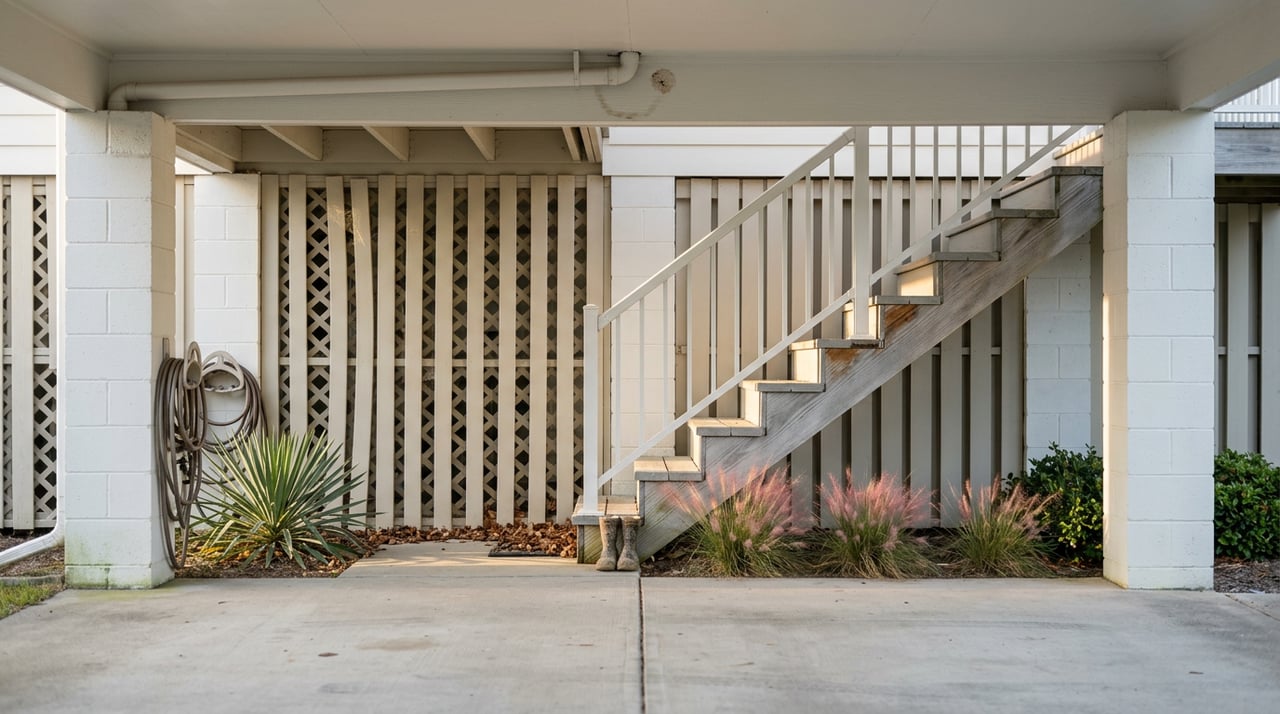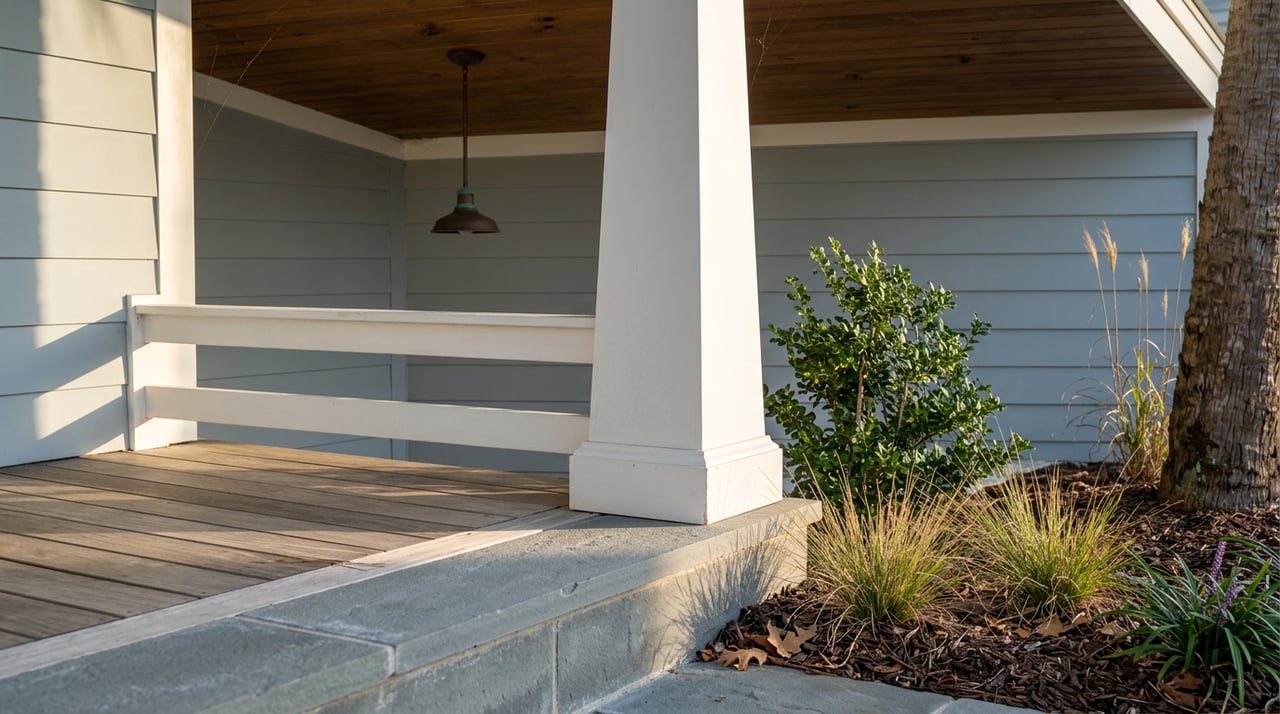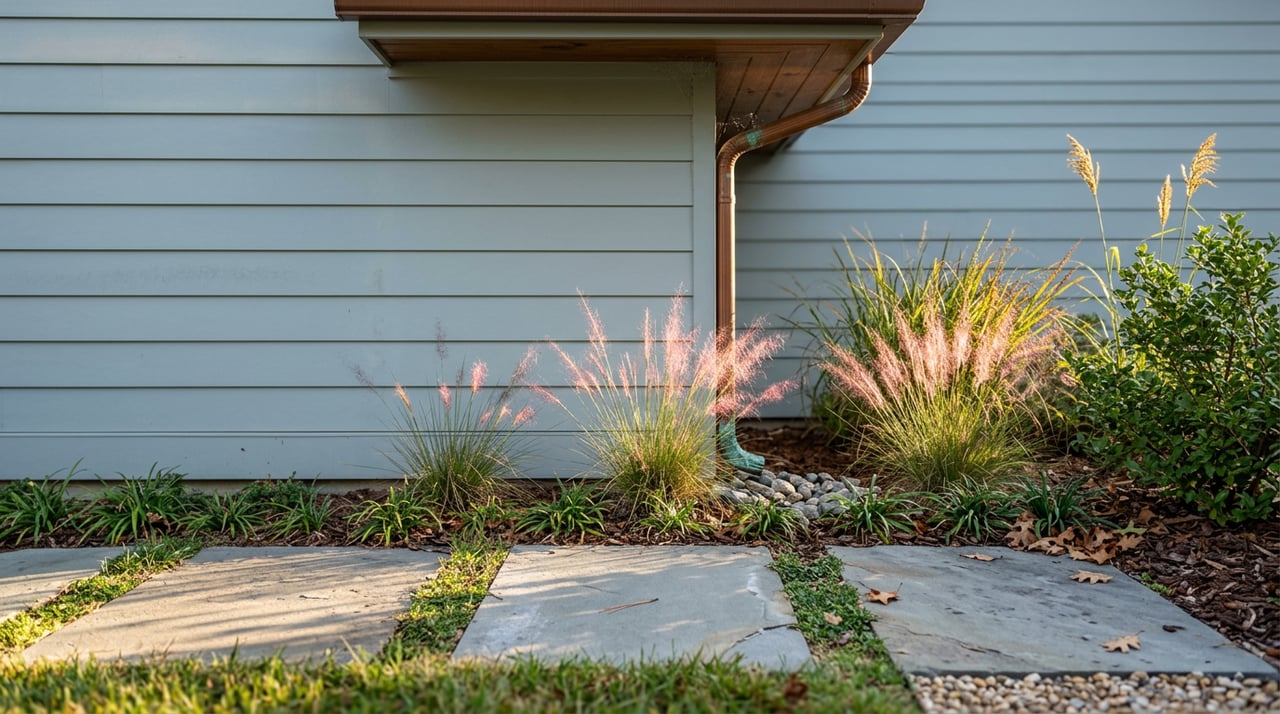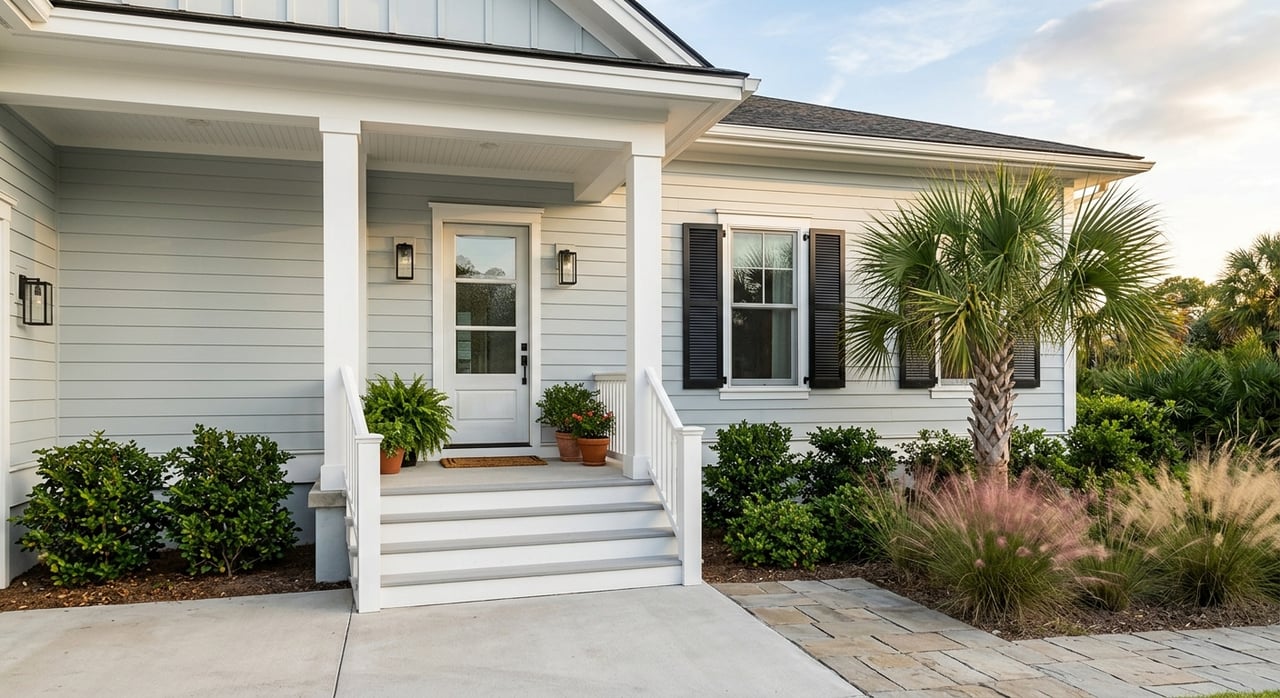
If you are getting ready to sell in Surfside Beach, it is easy to assume the coastal setting will do most of the work for you. In reality, buyers still pay close attention to price, condition, disclosures, and the practical details that come with owning near the coast. When you prepare the right way from the start, you can avoid surprises and give your home a stronger chance to stand out. Let’s dive in.
Know the Surfside Beach market
Surfside Beach is not a market where you can simply name a high price and wait. Recent market data points to a balanced to somewhat competitive market, with pricing strategy and home condition still playing a big role in how quickly a property moves.
In March 2026, Redfin reported a median sale price of $532,000 and a median of 55 days on market in Surfside Beach. Realtor.com reported a median of 71 days on market and noted homes were selling for about 3.16% below asking. Zillow reported an average home value of $355,031, 417 homes for sale, and about 34 days to pending as of April 30, 2026.
These numbers use different methods, so they are not meant to be compared line for line. Still, together they show an important pattern: buyers are active, but they are also selective. In Surfside Beach, careful pricing and solid preparation matter.
Expect negotiation, not guesswork
Redfin reports that some homes receive multiple offers, but the average home sells about 4% below list price. That tells you something important as a seller. Beach proximity can help attract attention, but it does not remove the need for realistic pricing.
If your home is priced too high at launch, buyers may hesitate or wait for reductions. A more disciplined pricing approach can help you create stronger early interest and reduce the risk of sitting on the market longer than necessary.
Start with condition and presentation
Before your home goes live, focus on the basics that buyers notice first. Decluttering, cleaning, and fixing obvious issues can make a meaningful difference in how your home shows online and in person.
The 2025 Profile of Home Staging found that 83% of buyers’ agents said staging made it easier for buyers to visualize the property as a future home. The same report found that living rooms, primary bedrooms, and kitchens were the most commonly staged spaces.
For many sellers, that does not mean a full redesign. It often means creating a home that feels bright, open, and easy to understand the moment a buyer sees the photos.
Why photos matter more in a coastal market
Surfside Beach attracts attention from outside the area, and Redfin migration data shows inbound search traffic from metros like Washington, New York, and Boston. That means some buyers may first experience your home through photos, video, or a virtual tour before they ever step inside.
This is why online presentation matters so much. If your home looks clean, well-kept, and move-in ready in photos, you make it easier for both local and out-of-area buyers to picture themselves there.
Focus your prep where it counts
You do not need to overcomplicate your to-do list. Start with the rooms and details that shape first impressions most.
A smart seller prep checklist often includes:
- Decluttering countertops, shelves, and storage areas
- Deep cleaning floors, windows, kitchens, and baths
- Touching up paint where walls show wear
- Fixing obvious issues like loose hardware, burned-out bulbs, or dripping faucets
- Making the living room, kitchen, and primary bedroom feel open and inviting
- Improving curb appeal with basic yard cleanup and exterior tidying
In a market where buyers may compare several coastal properties at once, small presentation issues can stand out quickly. Clean, simple, and cared-for usually wins.
Prepare for coastal questions early
Selling in Surfside Beach means buyers may ask more detailed questions than they would in some inland markets. Coastal conditions, flood zones, insurance history, and storm readiness often come up early.
South Carolina emergency guidance says hurricane season runs from June 1 through November 30. Coastal storms can bring heavy rain, flooding, tornadoes, high winds, and storm surge. Because of that, buyers often want clear, practical information before they feel comfortable moving forward.
Be ready to discuss flood zone and insurance
FEMA says the official source for flood-hazard maps is the Flood Map Service Center, and Horry County maintains a flood GIS application for Surfside Beach. If your home is in or near a higher-risk flood area, buyers may ask about flood insurance, prior claims, or past flood-related concerns.
FEMA also states that federally regulated or insured lenders require flood insurance for buildings in a high-risk flood zone when the loan is federally backed. NFIP policies typically have a 30-day waiting period unless coverage is required by a lender or tied to a map change.
As a seller, it helps to gather key information before listing, such as:
- Your current flood zone information
- Prior flood insurance details, if applicable
- Any mitigation work or protective improvements you have completed
- Any repair history related to water intrusion or storm impacts
Having these answers ready can help buyers feel informed and keep the transaction moving.
Understand South Carolina disclosure rules
In South Carolina, residential transfers of one to four dwelling units are generally covered by the Residential Property Condition Disclosure Act. The seller must provide the disclosure form before the real estate contract is signed.
This disclosure is important, but it is not a warranty. State law also makes clear that it does not replace the buyer’s responsibility to inspect the property and improvements.
What the disclosure covers
The disclosure focuses on the actual residential dwelling. Under the statute, it does not address common elements or areas for which the owner does not have direct and primary responsibility.
That distinction matters in Surfside Beach, especially if you are selling a condo or townhome. Buyers may still have questions about common areas or shared systems, but the seller disclosure itself is limited in scope.
What if you discover a new issue?
If you learn about a material inaccuracy after the disclosure has been delivered, South Carolina law says you must correct it promptly. The law also allows for reasonable repairs to be made before closing.
This is one reason honest, early preparation matters. If you address known concerns upfront, you are less likely to deal with stressful last-minute problems during escrow.
Condo and HOA sellers need extra prep
If your Surfside Beach property is part of a condo association, HOA, or similar community, your prep work should start earlier. South Carolina requires an addendum when a property is subject to an HOA, condominium association, horizontal property regime, property owners association, or similar governing documents.
That addendum asks about much more than monthly dues. It also covers assessments, restrictions, rules, parking, access items, and other details that can influence a buyer’s decision.
Gather these documents before listing
If your property is in a condo or HOA community, try to collect the following as early as possible:
- Covenants, conditions, and restrictions
- Bylaws or master deed documents
- Current dues and fee information
- Assessment history and any known upcoming assessments
- Transfer fees or membership transfer details
- Rules on rentals, including short-term or vacation rental use if applicable
- Guest and pet rules
- Assigned parking information
- Keys, gate codes, or other access details
The South Carolina Department of Consumer Affairs also notes that homeowners can access association budgets and membership lists. For sellers, this reinforces the value of having organized records ready before buyers start asking questions.
Detached homes may still have rules
Even if you are selling a detached home, do not assume there are no community restrictions. Some neighborhoods still have association rules, assessments, or recorded covenants that buyers will want to review.
Checking this early can save time later. It also helps you avoid delays when a buyer asks for documents you have not gathered yet.
Price for today’s buyer
One of the biggest mistakes sellers make in a coastal market is pricing based on emotion instead of evidence. Your memories, upgrades, and proximity to the beach all matter, but buyers still compare your home against current competition and recent sales.
With local data showing homes often selling below asking and spending several weeks on market, a strong pricing strategy should support your launch, not fight against it. The goal is to enter the market positioned to attract serious interest, not to chase the market after the fact.
The best launch window is the first one
When your home first hits the market, buyers notice. If the home is clean, well-presented, properly documented, and realistically priced, that first wave of attention can work in your favor.
If the home is overpriced or missing key information, buyers may move on or wait for a price change. In Surfside Beach, where buyers often have choices across homes, condos, and townhomes, first impressions can shape your entire selling timeline.
Build a plan around your property type
Not every Surfside Beach listing needs the same prep plan. A detached home, a condo near the beach, and a townhome in an association all come with different selling points and different paperwork.
That is why a personalized plan matters. The strongest approach is one that matches your property type, your timing, and the practical questions your likely buyers will ask.
For some sellers, the biggest win is better presentation and cleaner pricing. For others, it is getting ahead of flood, insurance, or HOA questions before the listing ever goes live.
Selling in Surfside Beach can be a smooth process when you prepare with the local market in mind. If you want calm, honest guidance on pricing, presentation, and the details that matter most in a coastal sale, Robin Shomaker is here to help.
FAQs
What should sellers in Surfside Beach do before listing a home?
- Start with pricing, decluttering, cleaning, basic repairs, and gathering important documents like disclosure information, flood details, and any HOA or condo records.
What do buyers ask about coastal homes in Surfside Beach?
- Buyers often ask about flood zone, flood insurance, storm-related history, prior repairs, and any mitigation work that may affect safety, cost, or insurability.
What does South Carolina require for seller disclosures?
- For many residential properties with one to four dwelling units, the seller must provide the property condition disclosure before the contract is signed, and correct any material inaccuracies promptly if new issues are discovered.
What should condo sellers in Surfside Beach prepare?
- Condo sellers should gather association documents, dues and fee records, assessment information, parking details, access items, and rules on rentals, guests, pets, and transfers.
Does a South Carolina seller disclosure replace a buyer inspection?
- No. South Carolina law says the disclosure is not a warranty and does not replace the buyer’s duty to inspect the property and improvements.