Trying to choose between Conway’s historic streets and its newer planned communities? You are not alone. For many buyers, this decision comes down to more than square footage or price. It is about how you want your day-to-day life to feel, how much upkeep you are comfortable with, and whether you want a neighborhood with deep roots or one with a more structured, master-planned layout. If you are weighing Conway’s older core against its newer growth areas, this guide will help you sort through the differences and decide what fits you best. Let’s dive in.
Conway offers two distinct lifestyles
Conway gives you a real contrast in housing choices. On one side, you have the older downtown and riverfront core around Main Street, Third Avenue, Laurel Street, and Fourth Avenue. On the other, you have newer growth organized through larger planned developments along major corridors like Highway 378 and Highway 701 South.
That contrast matters because these areas often deliver very different daily experiences. One leans toward historic architecture, mature streetscapes, and access to the civic core. The other tends to offer newer construction, shared amenities, and a more defined neighborhood structure.
What historic streets in Conway feel like
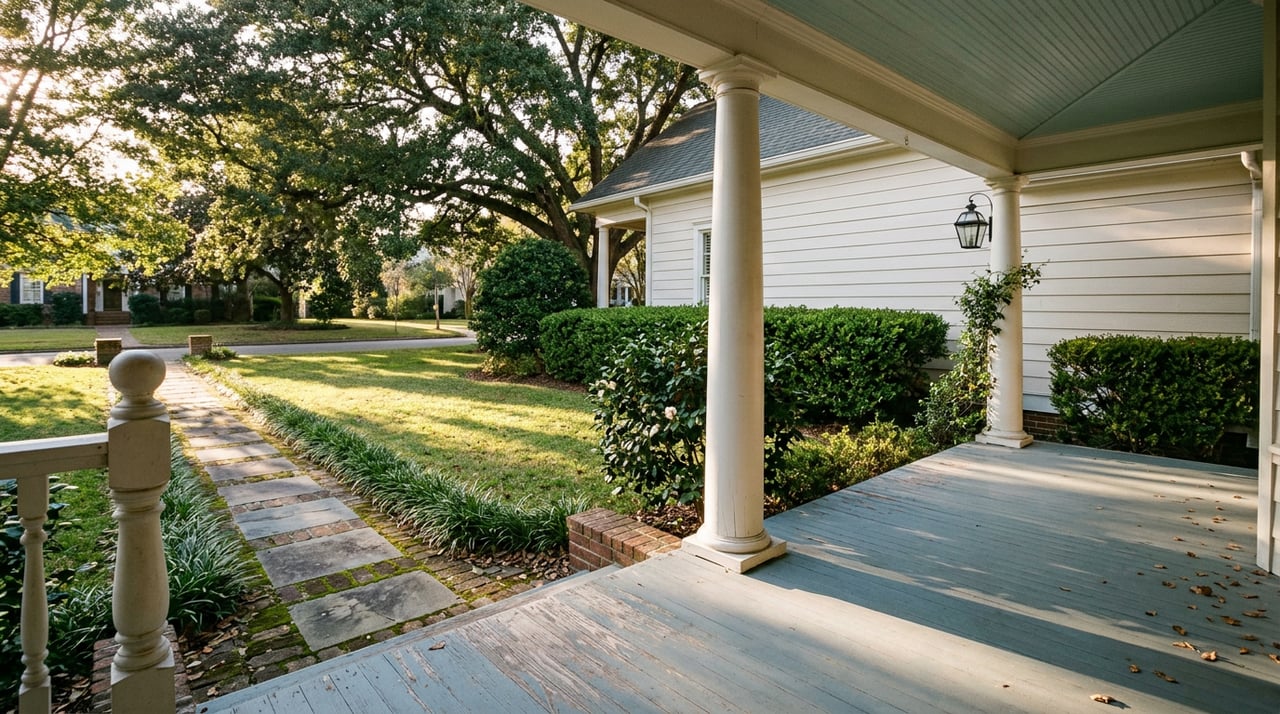
Conway’s Residential Historic District includes development from the mid-19th century through 1955. The city identifies a wide range of architectural styles here, including Greek Revival, Carpenter Gothic Revival, Queen Anne, Italianate, Craftsman, Tudor, and Colonial Revival.
If you are drawn to homes with visible age and variety, this part of Conway may stand out right away. The city’s cultural resources plan also notes ancient live oaks along the streets, which adds to the character many buyers picture when they think about older Conway.
Historic homes offer more variety
The historic area is not built around a single floor plan or a uniform look. Instead, the district includes homes and buildings from different eras, along with a more mixed streetscape.
That can be a plus if you want something with personality. It can also mean you need to look more carefully at each property’s updates, additions, and maintenance history, since one house may differ a lot from the next.
Downtown access is part of the appeal
Historic Conway is closely tied to the downtown core. The city’s recreation and open-space plan centers the Historic Walking Trail on downtown Conway and says the Riverwalk is easily accessible from downtown.
The same plan says the trail network is intended to connect downtown, City Hall, the library, and the riverfront. If you want a lifestyle that feels more connected to Conway’s civic and riverfront areas, that can be a major advantage.
Older streets usually mean less standardization
If you like predictability, historic areas may feel less consistent than a newer subdivision. The streetscape can include a wider range of home sizes, exterior styles, lot layouts, and property conditions.
For some buyers, that mix is exactly the charm. For others, it means more homework during the home search, especially when comparing renovation quality and long-term upkeep.
What newer Conway communities feel like
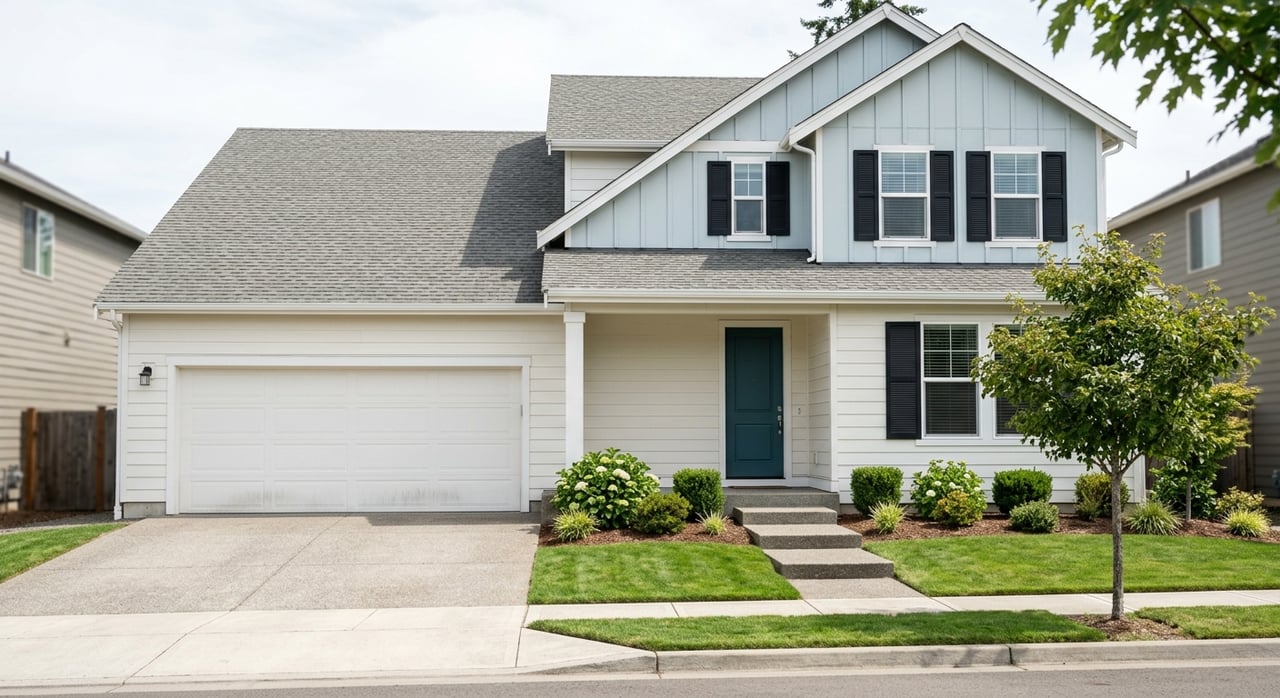
Newer Conway growth is being shaped through larger planned developments rather than simple one-off subdivisions. City materials describe projects like Brookhaven, Warden Station, and Rivertown Landing as developments that can include multiple housing types, open space, commercial uses, and HOA-managed common areas.
That structure tends to create a more planned feel from the start. If you prefer a neighborhood where many details are laid out in advance, newer communities may feel easier to understand at a glance.
Newer homes often come with built-in planning
Brookhaven is described by the city as a phased project with different types and styles of single-family homes, along with amenity areas, stormwater ponds, parks, open space, multi-purpose paths, roads, and utilities. Warden Station is described as a master-planned community with a mix of detached homes, attached lots, condominiums, multi-family uses, and commercial and recreational uses.
For buyers, that often translates into a broader menu of home types in one general area. It may also appeal to you if you want newer construction and community features that were part of the original plan.
HOA structure can shape ownership
One of the biggest practical differences in some newer communities is how land and shared spaces are handled. Rivertown Landing’s planned development language says detached single-family homes are paired with a horizontal property regime, where land beyond the building footprint, including yards, drives, roads, and ponds, remains common area owned and maintained by the HOA.
That is important to understand before you buy. If you want less personal responsibility for shared spaces, this setup may sound appealing. If you want more direct control over your lot and yard, you will want to ask detailed questions about exactly what is owned individually versus maintained by the HOA.
Newer growth often follows major corridors
Conway’s transportation plan identifies major corridors such as Main Street, US 501, US 378, and US 701, along with nearby routes like SC 905, SC 90, and SC 544. It also points to areas like East Country Club Drive, Cultra Road, Long Avenue, and US 701 South as part of the broader suburban corridor network.
That helps explain why many newer communities feel more connected to regional driving routes. If your routine depends on driving to work, shopping, or other parts of the Grand Strand, that may work well for you. If you want to be closer to downtown walking routes, historic Conway may feel like a better fit.
The biggest tradeoffs to think through
Both options can be a great fit. The key is knowing what matters most to you before you start touring homes.
Choose historic streets if you value character
Historic Conway may fit you well if you want:
- older architecture and more visible design variety
- mature trees and a more established street pattern
- easier access to downtown, the Riverwalk, City Hall, the library, and the Historic Walking Trail
- a street-by-street home search where each property feels different
This path usually works best for buyers who enjoy uniqueness and are comfortable looking closely at condition, updates, and maintenance history.
Choose newer communities if you value structure
Newer planned communities may fit you well if you want:
- newer construction
- a broader mix of housing types within a planned development
- amenity areas, paths, parks, or open space built into the neighborhood plan
- an HOA-managed setup with more shared maintenance and more clearly defined future phases
This path often works best for buyers who like a more predictable neighborhood model and want to understand the community layout up front.
Don’t overlook the middle ground
Not every choice is strictly old versus new. In Conway, some communities blend parts of both models.
Rivertown Landing is a good example. City materials describe it as walkable and mixed-use, while still using an HOA and common-area ownership model for yards and shared land. Brookhaven also sits in the middle in some ways because it is described as an amenity-rich master plan rather than a basic subdivision.
If you like the idea of a planned community but still want some connection to walkability or mixed-use design, these kinds of neighborhoods may be worth a closer look.
Questions to ask before you choose
When you compare Conway’s historic streets with its newer communities, a few questions can quickly bring your priorities into focus.
How much maintenance flexibility do you want?
In older areas, upkeep can vary a lot from house to house. In newer HOA-based communities, some shared spaces and features may be handled through the neighborhood structure.
If low-maintenance living matters to you, ask exactly what the HOA handles. If you prefer more control, ask what parts of the property are truly yours to manage.
Do you want downtown access or corridor access?
Historic Conway is closely tied to downtown trails, the Riverwalk, and civic spaces. Newer growth areas are often more connected to Conway’s major roads and suburban corridors.
Neither is better across the board. It simply depends on whether your lifestyle leans more toward walkable downtown access or driving convenience.
Are you comfortable with phased construction?
Some newer developments in Conway are planned in phases. Brookhaven is phased, and Warden Station’s agreement reflects a long-term buildout.
If you want a neighborhood that already feels fully finished, this is worth asking about early. Future phases can affect traffic patterns, nearby construction activity, and the timing of community features.
Do you want identity or consistency?
Historic streets often bring a stronger sense of place and a more one-of-a-kind feel. Master-planned communities often bring more consistency in layout, design rules, and shared features.
This question is personal, and it usually becomes clearer after you tour both types of areas. What feels charming to one buyer may feel less practical to another.
How to make the right Conway decision
The best choice is the one that supports your real life, not just your wish list. If you picture yourself enjoying older architecture, mature trees, and easy access to downtown Conway, the historic core may feel like home. If you want a newer home, planned amenities, and a more structured neighborhood setup, a newer community may check more boxes.
A good home search in Conway should compare not only homes, but also ownership structure, access patterns, and the overall feel of each area. If you want help narrowing down which part of Conway fits your lifestyle and priorities, Robin Shomaker can help you explore your options with clear, personalized guidance.
FAQs
What are Conway’s main historic streets for homebuyers to know?
- Conway’s older housing fabric is centered around the downtown and riverfront core, especially Main Street, Third Avenue, Laurel Street, and Fourth Avenue.
What do newer planned communities in Conway usually include?
- City materials describe newer Conway developments as larger planned communities that may include multiple housing types, open space, commercial uses, amenity areas, paths, and HOA-managed common areas.
What is the difference between historic Conway and newer Conway neighborhoods?
- Historic Conway generally offers older architecture, mature streetscapes, and closer ties to downtown and the riverfront, while newer neighborhoods often offer newer homes, planned amenities, and a more structured HOA-based setup.
Are all newer Conway communities fully built out?
- Not always. City materials show that some communities, including Brookhaven, are planned in phases, and Warden Station is described as a long-term master-planned development.
Why does HOA ownership matter in newer Conway communities?
- In some planned communities, shared spaces and even areas beyond the building footprint, such as yards, drives, roads, and ponds, may be owned and maintained by the HOA, so it is important to understand exactly what you own.
Is historic Conway more walkable than newer growth areas?
- City plans support that downtown Conway is closely connected to the Historic Walking Trail, the Riverwalk, City Hall, the library, and the riverfront, while newer growth areas are more tied to major road corridors.