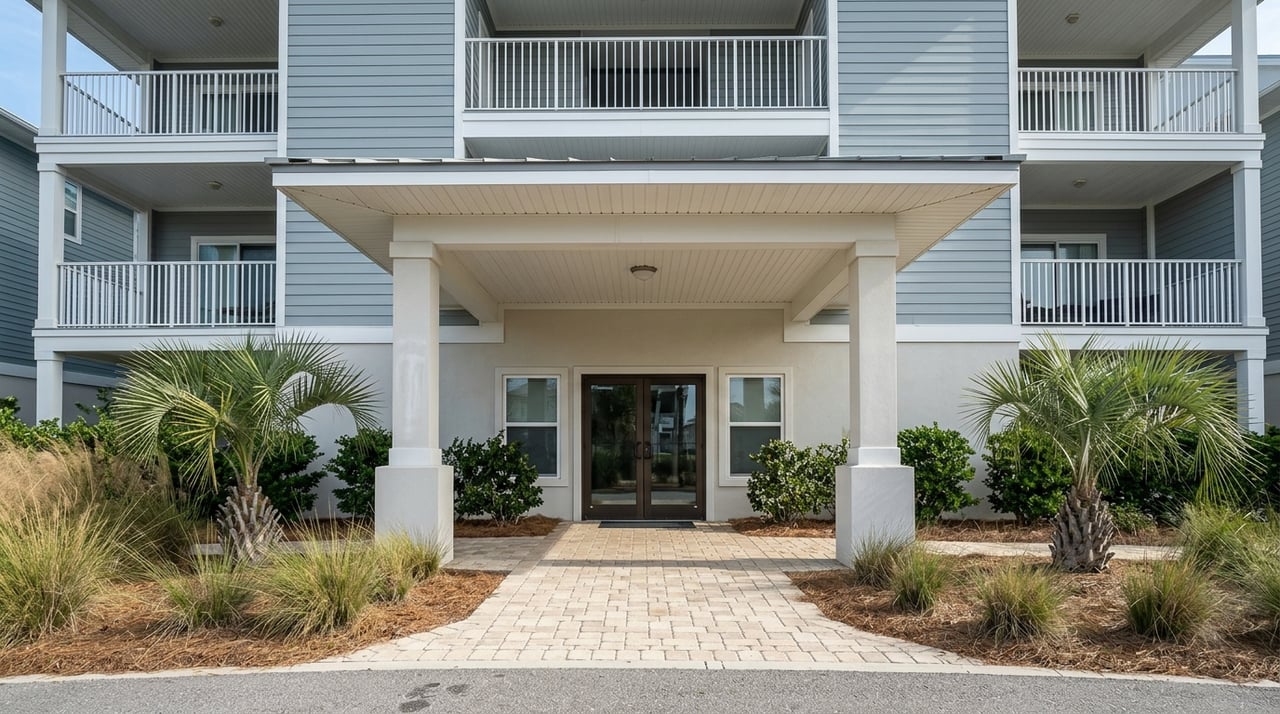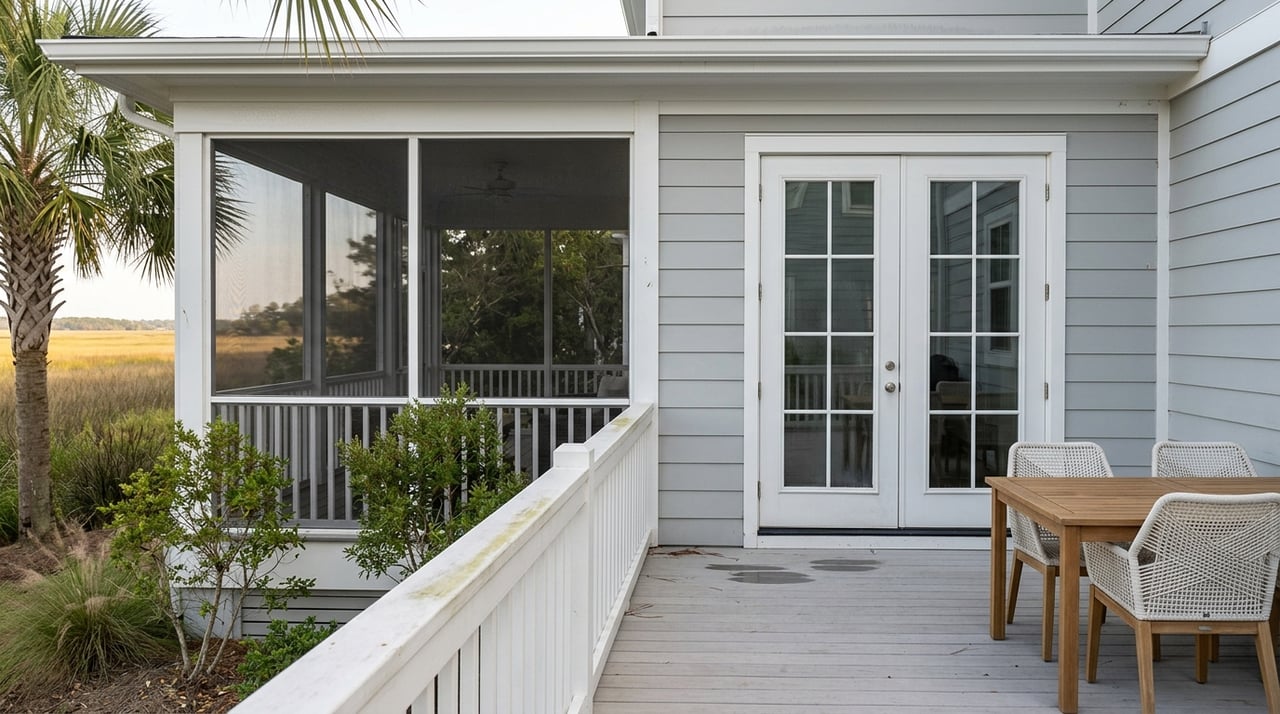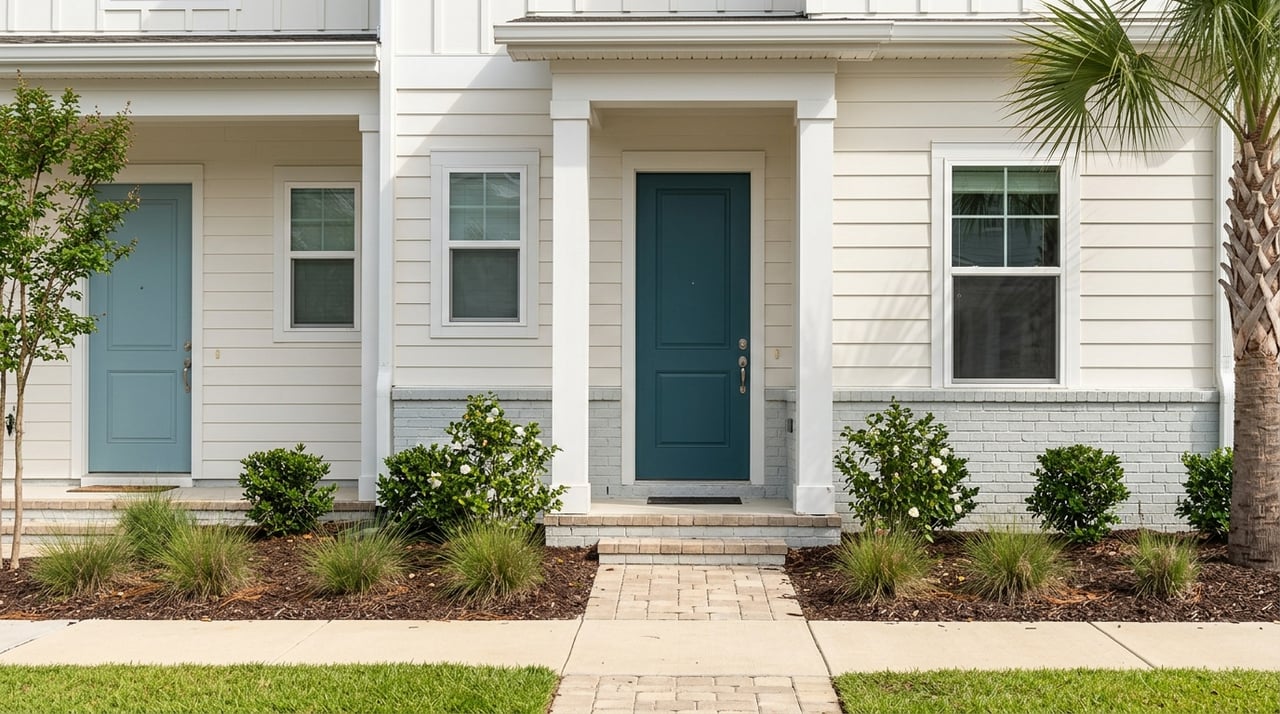
If you are torn between a condo, townhome, or single-family home in Murrells Inlet, you are not alone. Many buyers start with square footage or price, then realize the bigger question is how you want to live near the coast and how much responsibility you want to take on. This guide will help you compare your options in a practical way, from maintenance and insurance to HOA rules, flood review, and long-term costs. Let’s dive in.
Why property type matters in Murrells Inlet
In Murrells Inlet, your choice is not only about floor plans. It is also about coastal conditions, ownership structure, and how the property will fit your day-to-day life.
Georgetown County says hurricane season runs from June 1 through November 30, and the county uses three evacuation zones based on storm surge. The county also provides flood-zone tools and elevation-certificate information, which means location-specific risk review should be part of your decision from the start.
That is why two similar-looking properties can feel very different once you look closer. A low-maintenance condo near the water may come with shared insurance and association rules, while a detached home may give you more freedom but more storm prep and repair responsibility.
Condos: easiest for lock-and-leave living
If you want a simpler coastal setup, a condo often makes the most sense. In South Carolina, a condominium is a specific legal form where you own your unit and also share rights in the common elements.
Those common elements can include things like roofs, stairways, halls, elevators, utilities, docks, and other shared systems. In practical terms, that usually means the association handles more of the exterior and common-area responsibilities than you would handle in a detached home.
For many buyers, that makes condos appealing as a getaway, second home, or lower-maintenance primary residence. If you do not want to spend your weekends on yard work or exterior upkeep, a condo can offer a more convenient lifestyle.
The tradeoff is less control. Condo ownership usually means monthly dues, shared budgets, association rules, and a need to understand what the association insures versus what you need to insure yourself.
South Carolina’s Department of Insurance says HO-6 coverage is designed for condominium owners and focuses on the unit’s interior, personal belongings, improvements, and liability. That is an important detail because your personal policy and the association’s policy do not cover the same things.
When a condo may fit best
A condo may be a strong fit if you want:
- A lock-and-leave property
- Less exterior maintenance
- A second home near the coast
- Simpler day-to-day upkeep
- Shared amenities or common spaces
What to check before buying a condo
Before you move forward, review:
- The declaration, master deed, bylaws, and rules
- The current budget and assessments
- Rental restrictions, if you may rent it out
- Insurance responsibilities between owner and association
- Flood-zone and evacuation-zone details by address
Townhomes: the middle-ground option
Townhomes often appeal to buyers who want something between a condo and a detached home. You may get a more home-like layout and feel while still reducing some maintenance compared with a single-family property.
The key thing to know is that in South Carolina, the word townhome does not automatically tell you the legal ownership structure. A townhome can be set up as a condo-style property in a horizontal property regime, or it can be a fee-simple lot in a subdivision with an HOA.
That distinction matters more than the exterior appearance. Two townhomes may look nearly identical from the street, but one may function more like a condo with more shared responsibility, while the other may function more like a small house with an HOA layer.
Because of that, buyers should rely on the recorded declaration, master deed, and bylaws rather than the listing label alone. That paperwork tells you what you own, what the association maintains, and how much control you will have.
When a townhome may fit best
A townhome may be a good choice if you want:
- More space or privacy than many condos offer
- Less maintenance than a detached home
- A balance between convenience and autonomy
- A primary residence with manageable upkeep
- A coastal property without going fully condo or fully detached
Why townhome documents matter
With townhomes, the details drive the decision. You need to confirm:
- Whether the ownership is condo-style or fee-simple
- What exterior components you maintain
- What the HOA maintains and insures
- What the dues cover
- Whether there are rental or use restrictions
Single-family homes: most space and control
If your top priorities are privacy, yard space, parking, storage, and flexibility, a single-family home is often the best fit. This option usually gives you the most direct control over the parcel and fewer shared decisions than condo ownership.
That said, a detached home can still be inside an HOA community, so you should still review any recorded covenants and rules. Even with an HOA, though, a single-family home usually offers more freedom to customize and use the property than a condo typically does.
The tradeoff is responsibility. Exterior maintenance, landscaping, storm prep, and many repair decisions typically fall more directly on you.
South Carolina’s Department of Insurance says standard homeowners policies generally cover the dwelling, personal belongings, liability, and additional living expenses. Premium levels can depend heavily on location, construction type, age, and mitigation features, which is especially important in a coastal market.
In Murrells Inlet, that often means taking a closer look at roof condition, shutters, generator planning, and flood-related insurance needs. If you want more control, you should also be ready for more hands-on ownership.
When a single-family home may fit best
A detached home may be right for you if you want:
- More privacy and separation from neighbors
- Yard space or extra outdoor living area
- More storage and parking
- Greater freedom to customize
- A full-time primary residence with long-term flexibility
How to match the property type to your goals
The easiest way to narrow your choice is to start with how you plan to use the property. In Murrells Inlet, lifestyle and practical costs often matter as much as the number of bedrooms.
Here is a simple rule of thumb:
- Condo: best for lock-and-leave convenience
- Townhome: best for a middle ground
- Single-family home: best for autonomy and space
That is not a one-size-fits-all answer, but it is a helpful starting point. Once you know your goal, the next step is to test each option against maintenance, insurance, taxes, and HOA control.
If you want a second home
A condo is often the first place to look if your goal is an easy coastal getaway. Less exterior upkeep can be a big advantage when you are not living there full time.
Still, you should check association rules and insurance carefully. If you hope to use the property for short stays or occasional rental income, that review becomes even more important.
If you want a primary residence
A townhome or single-family home may make more sense if you plan to live there full time. The right choice depends on how much space you want and how much upkeep you are comfortable managing.
South Carolina property taxes can also affect this decision. A legal residence that is owned and occupied as your domicile is taxed at a 4 percent assessment ratio, while second homes and vacation homes are assessed at 6 percent.
For many buyers, that creates a meaningful long-term cost difference. If you are comparing a full-time move with a part-time coastal retreat, this is one of the numbers worth reviewing early.
If you may rent the property
If short-term rental use is part of your plan, do not stop at the listing description. Georgetown County imposes a 3 percent accommodations tax on transient lodging, and rentals of 30 or more continuous days are not considered transient.
That means your rental plan should be checked against county tax rules and the property’s governing documents. You should also confirm that the intended use is allowed before you count on rental income.
The due diligence that matters most
No matter which property type you prefer, there are a few steps that matter more in Murrells Inlet than many buyers expect. These checks can help you avoid surprises after closing.
Review flood and evacuation details by address
Flood review should be parcel-specific, not just based on the general area. Georgetown County provides flood-zone and elevation-certificate tools, and FEMA’s Flood Map Service Center is the official source for flood maps by address.
You should also know the property’s hurricane evacuation zone before storm season. In a coastal market, this is practical information that affects preparation, insurance planning, and peace of mind.
Understand insurance before you buy
South Carolina’s Department of Insurance says homeowners insurance generally does not cover flood damage. Flood coverage should be evaluated separately.
The right insurance setup also depends on the property type. Condo buyers may need HO-6 coverage, while detached-home buyers usually need a standard homeowners policy plus any additional flood coverage that applies to the property.
Read association documents carefully
For condos and many townhomes, governing documents are central to the decision. South Carolina law requires HOA governing documents to be recorded to be enforceable, and rules must be accessible to members.
You should review the declaration, bylaws, rules, current budget, assessments, and any rental-related restrictions before your purchase becomes final. Those documents help you understand the real cost of ownership and how the community operates.
Final thoughts on choosing the right fit
Choosing between condos, townhomes, and homes in Murrells Inlet is really about choosing the kind of ownership experience you want. Some buyers want simplicity and convenience, others want a balanced middle option, and others want as much control and space as possible.
The best decision usually comes from looking beyond price and square footage. When you compare HOA control, insurance structure, flood exposure, tax treatment, and your planned use of the property, the right option becomes much clearer.
If you want help sorting through Murrells Inlet condos, townhomes, and homes based on your goals, budget, and timeline, Robin Shomaker can help you compare your options with clear, local guidance.
FAQs
What is the biggest difference between a condo and a townhome in Murrells Inlet?
- In Murrells Inlet, a condo is a defined legal ownership form, while a townhome label does not automatically tell you the legal structure. A townhome may be governed like a condo or like a fee-simple lot in an HOA, so the recorded documents are the key source to review.
What type of property is usually best for a second home in Murrells Inlet?
- A condo is often the strongest fit for a second home if you want lock-and-leave convenience and less exterior maintenance. You still need to review association rules, insurance responsibilities, and flood details for the specific property.
Do Murrells Inlet homes and condos need flood insurance?
- Flood insurance needs depend on the property, but South Carolina’s Department of Insurance says homeowners insurance generally does not cover flood damage. In Murrells Inlet, flood review should be done by address using local county tools and official flood maps.
Are property taxes different for a primary home and second home in South Carolina?
- Yes. In South Carolina, a legal residence that is owned and occupied as your domicile is taxed at a 4 percent assessment ratio, while second homes and vacation homes are assessed at 6 percent.
Can you short-term rent a condo or townhome in Murrells Inlet?
- Possibly, but you should verify both county tax rules and the property’s governing documents. Georgetown County applies a 3 percent accommodations tax to transient lodging, and rentals of 30 or more continuous days are not treated as transient.