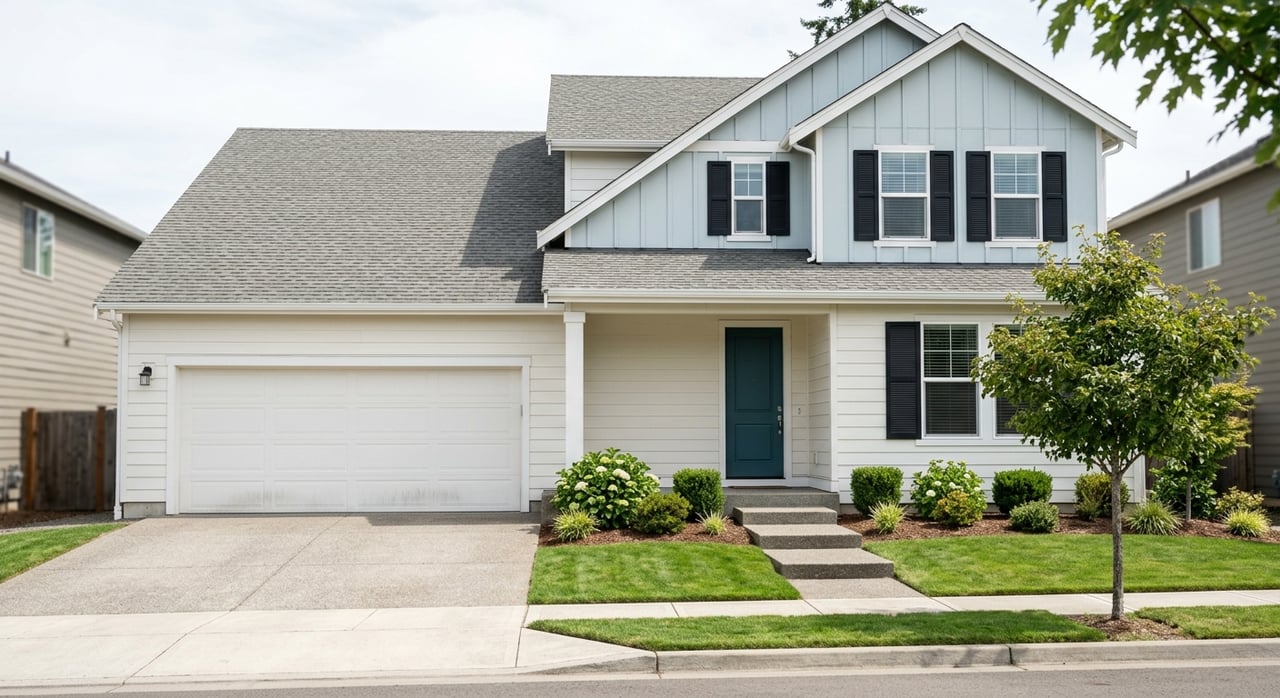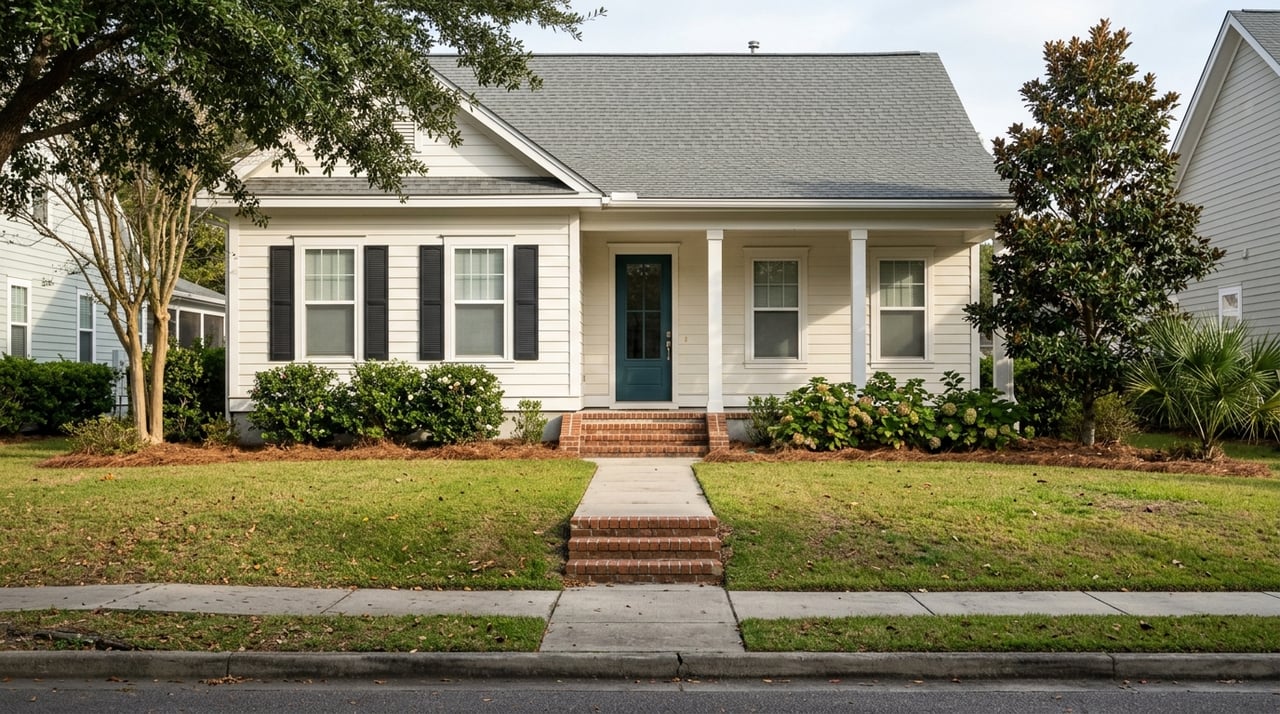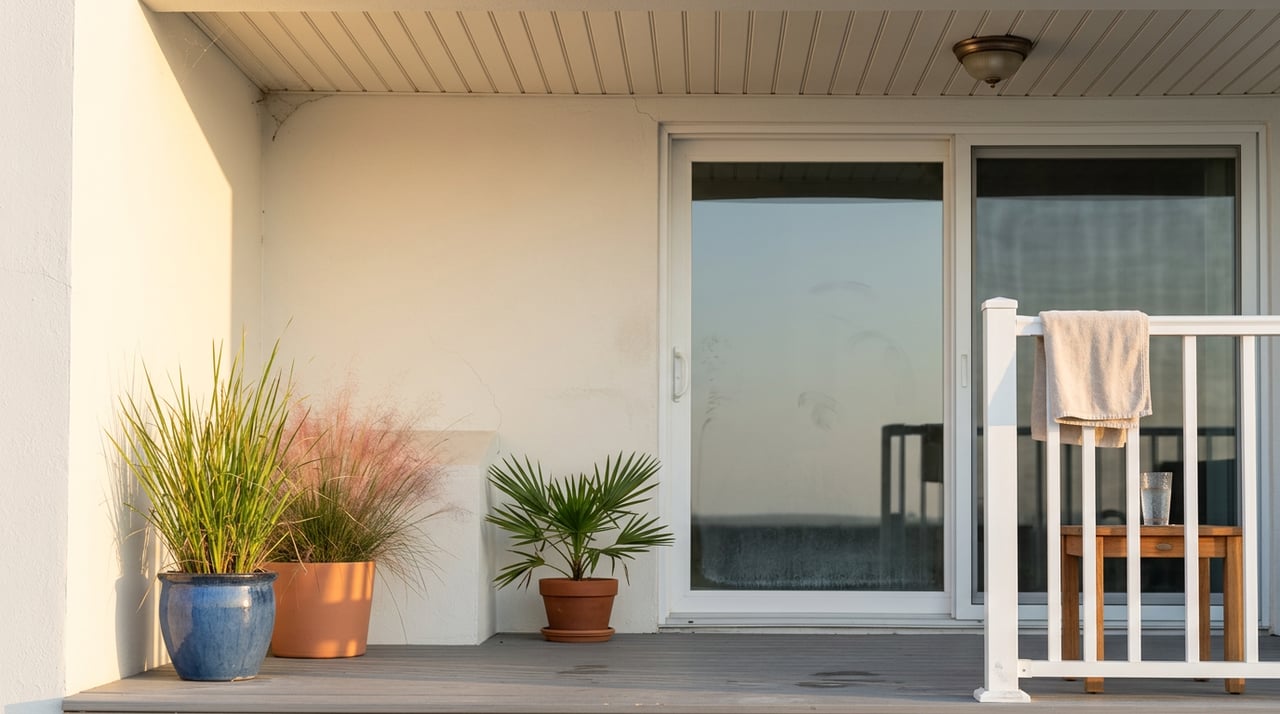
A buyer walks through a two-bedroom condo in Little River with a view of boats swaying at their docks. The listing photos sold the slip as much as the kitchen. Then, a few days before the inspection contingency deadline, someone finally asks the question that should have come first: is that slip actually part of the sale, or is it a separate lease the current owner happens to hold?
The answer changes the math on the whole purchase. It also points to something the median price on any portal search will never tell you about this market: in Little River, the condo is often not the product. The water access is.
The Question That Should Come Before Square Footage
Boat slips in Little River's marina communities show up in three different legal forms, and they are not interchangeable. Some slips are deeded, meaning they're a separately owned piece of real property that conveys with the unit or can be sold on its own. Some are leased annually through the marina or the HOA, meaning the current owner has a contract, not a deed, and that contract does not automatically transfer to a buyer. Some are assigned, a middle category where access comes with ownership but the underlying slip itself stays under HOA control.
A unit with a permanent, transferable slip is worth materially more on resale than one where the buyer has to reapply for dock space and hope. The only way to know which situation you're in is to confirm it in writing before you remove your inspection contingency, not after. This is the single most common gap between what a listing implies and what a buyer actually owns.
The Number Everyone Quotes Isn't Wrong. It's Blended.
Search Little River home values and you'll get three different answers depending on where you look. Zillow's home value index put the average Little River home at $321,349 as of May 31, 2026, down 1.3% over the prior year. Redfin's three-month window ending May 2026 showed a median sale price of $292,000, down 8.3% year over year, with homes taking a median 122 days to sell. Movoto's August 2026 figures put the median list price at $325,000 and price per square foot at $191, down roughly 4 to 5% from a year earlier, with a median 83 days on market.
None of these numbers are wrong. They're just blending two markets that are moving in opposite directions.
Local MLS-sourced trend reporting for Little River breaks single-family and condo/townhouse activity apart, and the split tells a different story than any blended average can:
| Segment | May 2026 months supply | June 2026 months supply | May 2026 median sold price | June 2026 median sold price |
|---|---|---|---|---|
| Single-family | 4.93 | 6.09 | $379,995 | $365,750 |
| Condo/townhouse | 11.0 | 12.77 | $229,990 | $240,750 |
Single-family months of supply sat under six through the late spring, tight enough that sold-to-list ratios stayed above 97%. Condo and townhouse supply ran more than double that, climbing toward 13 months by June 2026. That's a real oversupply signal, and it's part of why the blended portal medians look softer than the single-family market alone would suggest. A buyer scanning one aggregate number has no way to see that the houses are moving briskly while the condo shelf is stacking up.
Why Water Beats The Average
Here's where the marina communities break from the condo trend entirely, and the reason has nothing to do with finishes or floor plans.
Little River sits at the point where the Intracoastal Waterway meets the Little River Inlet, which gives boaters a short, sheltered run to the Atlantic without a single bridge in the way. That geography is fixed. New marina communities along this stretch are rare, because the deep-water frontage that makes them possible simply doesn't come up for development very often. Ordinary condo inventory can expand when builders add units. Slip-bearing inventory can't, because the water doesn't move.
That mismatch shows up building by building. Mariner's Pointe is a gated marina and condo community with 116 individually deeded boat slips paired with 146 separately deeded condos, and its owners' fee runs around $350 a month, covering marina insurance, common-area electricity, and general upkeep of the docks and seawall. Coquina Harbour blends a working marina with low-rise condos and townhomes around protected slips, wide enough that getting to the inlet is easy, and it anchors one of the area's go-to seafood restaurants, which gives the community a social pull beyond the docks themselves. Carolina Yacht Landing offers a more polished, gated setup built around a deep-water marina with floating docks and full slip ownership options. Harbourgate Marina draws a boating crowd that skews toward charter fishing and transient slips, which makes its condos popular for short-term rental investment. Lightkeepers Village brings a quieter, lighthouse-themed feel that tends to attract second-home buyers who want the water without the crowd. Cypress Bay Condos sit at a lower price point without the full marina amenity package, which makes them a common entry point for buyers testing the lifestyle before committing bigger dollars. Cricket Cove Marina has been part of Little River's boating identity for decades, though the surrounding homes don't always sit inside one clean HOA, which is part of why that pocket gets overlooked by buyers searching by community name alone.
Each of these communities is pricing the same underlying scarcity in a slightly different package. The condo is the container. The slip access is the asset.
The Cost Of Skipping The Diligence
Marina ownership carries a specific set of risks that a standard condo purchase doesn't, and they are worth pricing in before you write an offer.
Bulkheads, docks, and pilings take more wear than most buyers expect, and several of Little River's older marinas have started catching up on deferred maintenance. That means special assessments for dredging or seawall repair are a real possibility, not a hypothetical one. Reading the last three years of HOA meeting minutes and the most recent reserve study will tell you whether a community is funding that maintenance proactively or waiting until a bill comes due.
Rental rules also vary more than buyers assume. Some buildings allow short-term rentals freely. Others, including parts of Carolina Yacht Landing, are worth reading carefully if income potential is part of your plan, since restrictions differ by building within the same community.
If you don't need the slip, stepping just outside the marina-included communities can save you real money. Buyers who don't require dock access typically find single-family and condo options priced 10 to 20% lower than comparable units inside the marina-anchored HOAs, since they're not paying for a scarce amenity they won't use.
One more wrinkle worth knowing before you fall in love with a waterfront lot rather than a marina condo: not every waterfront-adjacent parcel automatically qualifies for a private dock. State coastal permitting rules govern whether a lot can add a dock, lift, or boat storage structure at all, and eligibility can depend on marsh-edge frontage and how the property was originally subdivided. Buyers hoping to add a dock later should confirm that possibility before closing, not assume it.
A Short Checklist Before You Waive Contingencies
- Get the slip status in writing: deeded, leased, or assigned, and whether it transfers with the unit or requires a new agreement.
- Ask the dockmaster directly about slip depth at low tide and any restrictions on boat length.
- Request the last three years of HOA meeting minutes and the most recent reserve study.
- Confirm whether dredging or seawall assessments are anticipated, not just whether any are currently pending.
- Check the specific building's rental policy if short-term income is part of your plan.
The Festival Is Evidence, Not Ambiance
Little River's boating identity isn't a marketing angle. It's the reason demand for this specific kind of scarce inventory keeps renewing itself. The Little River Chamber's World Famous Blue Crab Festival held its 44th year this past May 16 and 17 along the Historic Little River Waterfront, drawing crowds for local seafood and live music in a town that still calls itself a fishing village without irony. That kind of continuity, working shrimp boats, waterfront restaurants that have operated for generations, a festival now in its fifth decade, signals a community whose water-based identity predates the current condo supply and will outlast whatever the months-of-supply number does next quarter.
A Few Questions Worth Settling Early
Is a marina view the same as slip access? No. A unit can overlook the water and the docks without including any right to tie up a boat there. Confirm slip rights separately from the view.
Does every Little River condo need boat access to hold its value? No. Communities like Cypress Bay compete on price and simplicity rather than marina amenities, and that's a legitimate, lower-cost way into the same general area.
Should the condo oversupply numbers scare off a marina-community buyer? Not automatically. The months-of-supply figures describe the broader condo segment. Slip-anchored communities are pricing a fixed, non-replicable resource, which is a different conversation than the general condo glut.
If you're weighing a marina condo against a single-family option in Little River, or trying to figure out which named community actually matches how you plan to use a boat, that's exactly the kind of detail worth walking through before you write an offer. Robin Shomaker has spent her career in these Grand Strand communities and can help you sort slip rights from marketing photos before you're the one asking the hard question three days before closing. Let's Connect.