If you picture coastal living as a nonstop resort scene, Surfside Beach may surprise you. This small beach town has a more relaxed, everyday rhythm that appeals to buyers who want easy access to the ocean without the feel of a dense resort strip. Whether you are planning a move, searching for a second home, or just starting to explore the Grand Strand, this guide will help you understand what daily life in Surfside Beach can really look like. Let’s dive in.
What Surfside Beach feels like
Surfside Beach is a small Horry County town with a strong mix of year-round living and seasonal activity. The town’s comprehensive plan reports a year-round population of 4,155, with a much higher seasonal population driven by visitors, second homes, rentals, and lodging.
That seasonal rhythm matters because it shapes how the town feels. Surfside Beach aims to balance its role as a vacation destination with its identity as a year-round community, and it is widely branded as “The Family Beach” on the Grand Strand.
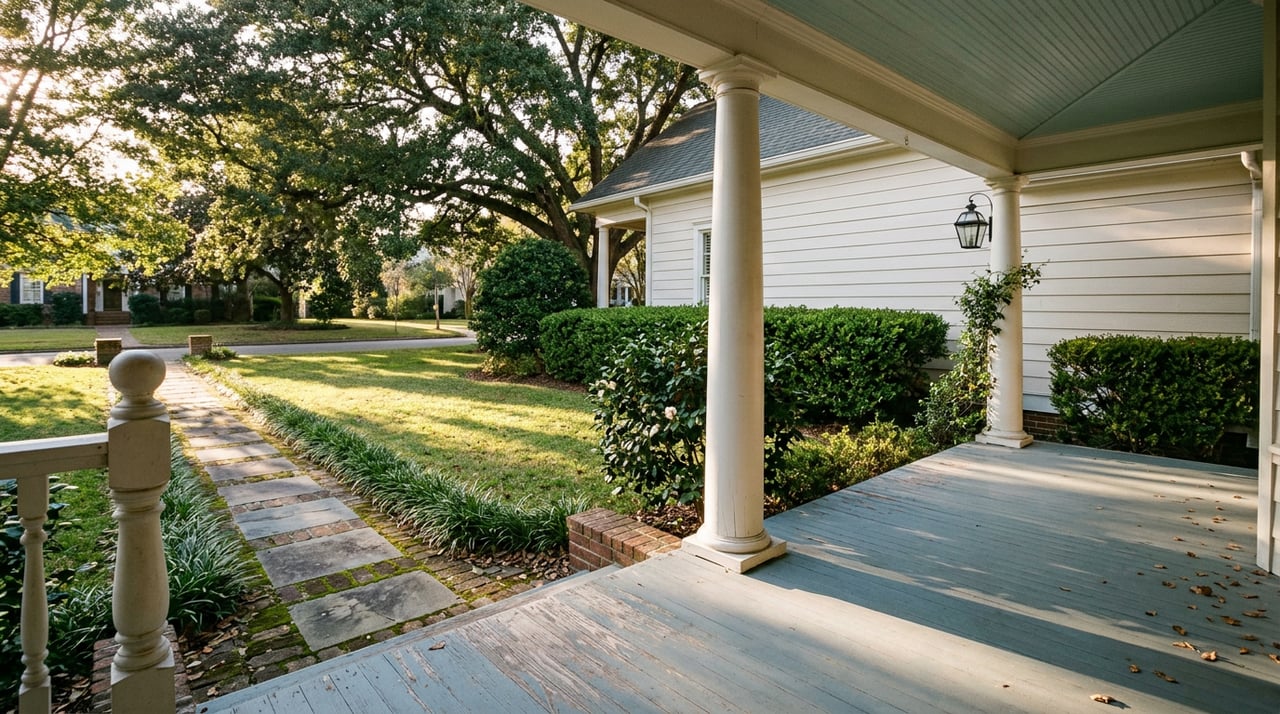
In practical terms, that means you will find a setting that feels more settled than high-energy. The town describes low-density residential neighborhoods, larger lots in many areas, mature trees, low-volume roadways, and a compact town-center corridor along Surfside Drive.
Beach access is part of daily life
One of the biggest lifestyle advantages in Surfside Beach is how easy it is to get to the sand. The town says there are 36 beach access points, plus 12 beach-area parking lots, several of them oceanfront.
For many buyers, that kind of access changes the way the coast fits into everyday routines. A morning walk, a quick evening stop by the water, or a simple weekend beach day can feel much more realistic when access points are spread throughout town.
Surfside Beach also provides practical amenities at multiple access points, including restrooms, showers, and foot showers. Wheelchair access is available at the 3rd Avenue North entrance, Surfside Pier, 3rd Avenue South, 13th Avenue South, and Melody Lane.
The town also states that motor vehicles, including golf carts, are not allowed on the beach itself. That helps preserve a simpler beach experience focused on walking, relaxing, and enjoying the shoreline.
The pier adds a true town center
The Surfside Beach Fishing Pier is one of the clearest examples of the town’s laid-back coastal identity. According to the town, the pier stretches 814 feet and sits right in the heart of town.
It is free to walk and includes an elevator, a walking ramp, fishing access, and pier-side businesses such as restaurants and an ice cream shop. That makes it more than a scenic landmark. It functions as an easy everyday gathering spot where you can take a walk, meet friends, or enjoy a casual stop near the ocean.
The pier is also called “The Family Pier,” which fits the town’s overall character. Instead of feeling separate from daily life, it feels woven into it.
Getting around has a beach-town rhythm
In Surfside Beach, golf carts are part of local life, but they are not treated casually. The town says golf carts with permanently working headlights and taillights may operate year-round and at night, while carts without those lights are limited to daylight hours.
That structure gives golf carts a practical role for short neighborhood trips and beach access. At the same time, the town notes that state golf-cart laws are strictly enforced, so it is important for buyers to understand the local rules if this lifestyle feature matters to them.
Parking also follows a seasonal system that affects how the town functions through the year. Surfside Beach has paid parking in public beach lots from March 1 through October 31, with resident and property-owner decal options and a separate Pier Lot rate.
There are also designated beach-access parking areas for rented or commercial golf carts at multiple access points. For residents, that often means golf carts are a convenience for getting around town and reaching the beach, not a substitute for broader transportation.
Dining and parks support everyday living
Surfside Beach offers a casual, local dining scene rather than a resort-heavy one. The town’s dining listings include barbecue, burgers, seafood, deli and sports-bar fare, pizza, coffee, and Italian bakery and grocery options.
That mix supports the kind of lifestyle many buyers want in a beach town. You have easy local choices for a quick lunch, casual dinner, coffee stop, or simple night out without feeling like every outing has to be a tourist event.
Parks also play a meaningful role in everyday routines. All Children’s Park offers playground and picnic space with restrooms, while Bark Park is open from sunrise to sunset and closes Wednesday mornings for cleaning.
Memorial Park adds another practical option, with lighted sidewalks, a walking track, picnic tables, a gazebo, a fountain, and six multi-use exercise stations next to the Surfside Library. These are the kinds of amenities that support daily walks, outdoor breaks, and low-key recreation close to home.
Housing options are broader than many expect
Surfside Beach has a wide housing mix for a small coastal town. The comprehensive plan says 52% of housing units are single-family detached, while 43% are townhomes or attached units.
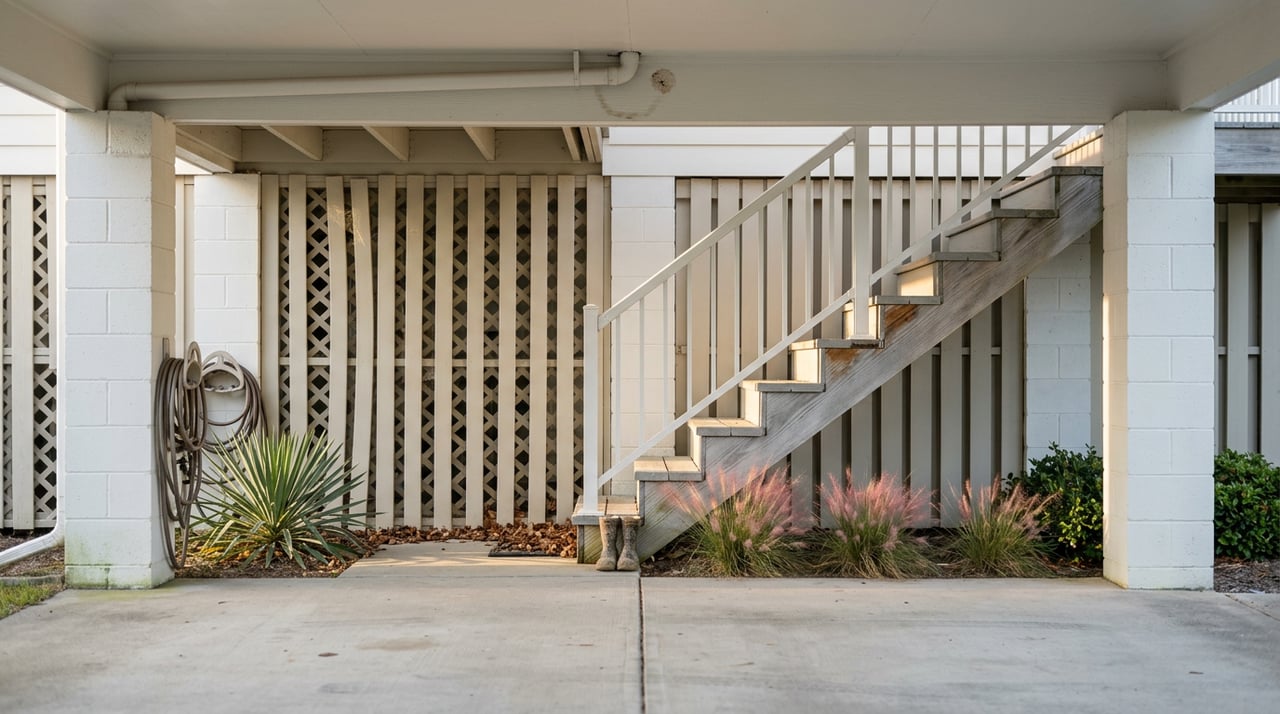
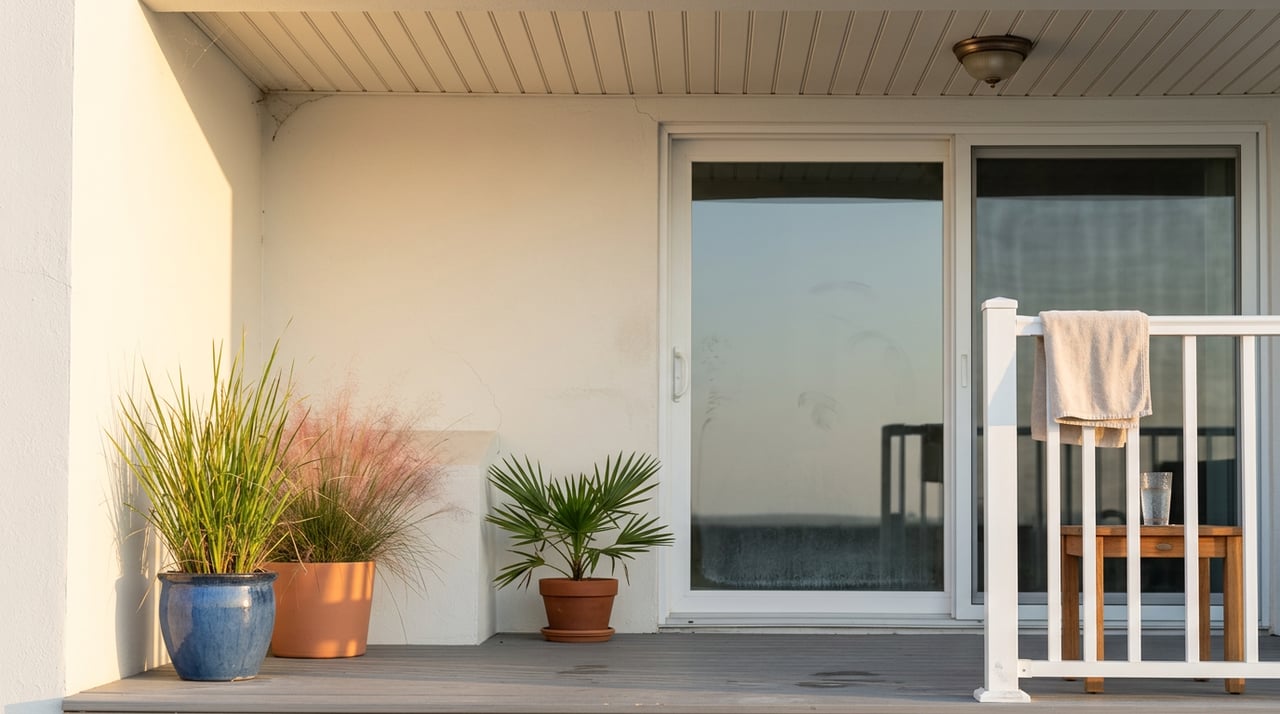
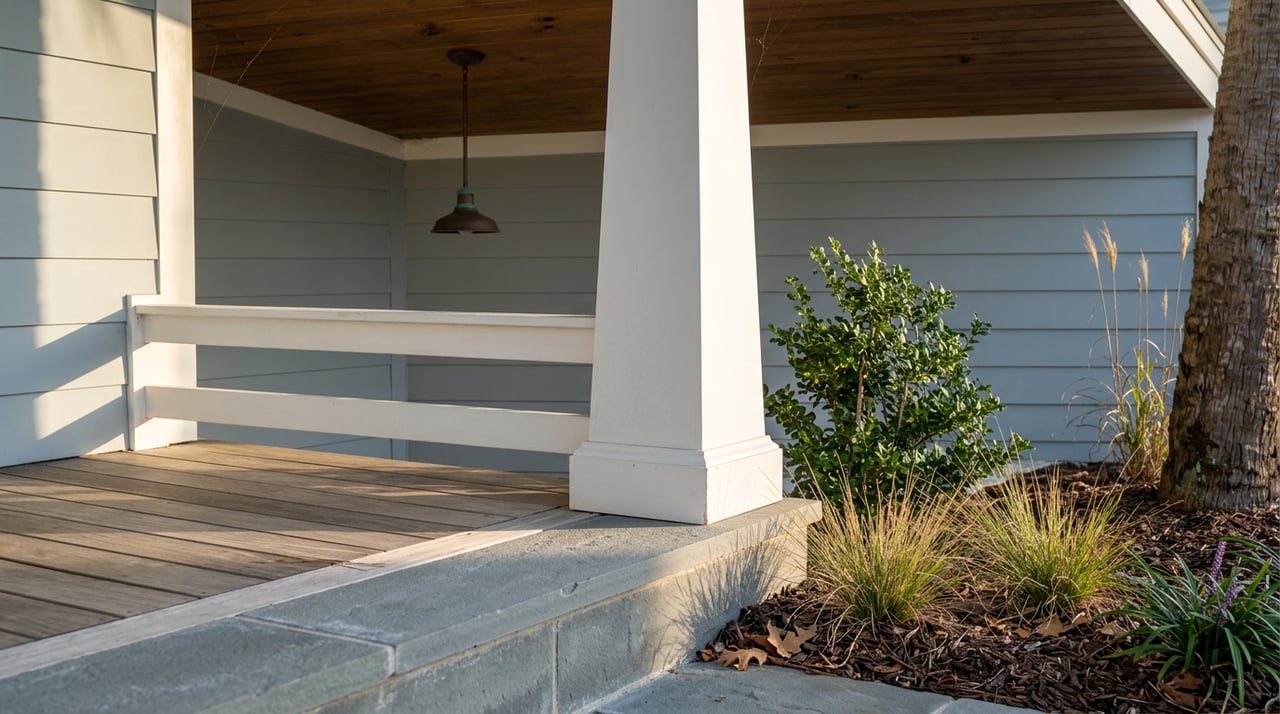
That range gives buyers flexibility. Depending on your goals, you may find detached homes, smaller single-family properties, townhomes, condos, or beach-area homes that fit different budgets and maintenance preferences.
The town reports 4,562 total housing units, with a notable share tied to seasonal or short-term rental use. Specifically, 1,844 units are classified as seasonal or short-term rental use, which shows how strongly second-home and vacation-market demand influences the area.
For buyers, this matters because your intended use should shape your search. A primary residence, a second home, and an income-focused purchase can each call for a different location, property type, and neighborhood feel.
Neighborhood character varies by location
In Surfside Beach, location has a major impact on the type of property you are likely to see. The comprehensive plan notes that attached and multi-family residential uses are concentrated near Ocean Boulevard close to the beachfront.
Elsewhere, much of the residential stock sits east of U.S. 17 Business, and the town is described as predominantly residential overall. Lot sizes also vary widely, from some under 3,000 square feet to others near an acre.
That variety helps explain why Surfside Beach can appeal to different buyers. If you want a lower-maintenance coastal unit close to the beach, there are options. If you prefer a detached home in a more residential setting, there are options for that too.
The bigger picture is that Surfside Beach generally feels low-rise and residential rather than vertical and high-density. For many people, that is exactly the appeal.
Why buyers are drawn to Surfside Beach
For some buyers, Surfside Beach works because it feels approachable. The beach is central to daily life, but the town still offers neighborhoods, parks, local businesses, and practical amenities that support year-round living.
For others, the appeal is flexibility. You can explore homes with different layouts, maintenance levels, and proximity to the beach without losing the overall small-town coastal feel.
If you are relocating from out of state, this area can also be easier to picture as home. It is not just a place to visit for a few days. It is a place where ordinary routines, like walking the dog, grabbing coffee, heading to the park, or taking an evening stroll near the pier, still fit naturally.
What to keep in mind as you explore
If Surfside Beach is on your shortlist, it helps to look beyond photos and map pins. Think about how you want to live day to day, not just how close you want to be to the ocean.
As you compare homes and areas, consider:
- How often you want beach access versus more residential privacy
- Whether a condo, townhome, or detached home fits your maintenance goals
- How seasonal parking and beach traffic may affect your preferred area
- Whether golf-cart convenience matters to your routine
- If you want to be closer to the pier and Surfside Drive or in a quieter residential pocket
Those details can make a big difference in how a home works for you over time. A local perspective is especially helpful if you are trying to balance lifestyle goals with budget, property type, and long-term plans.
If you are thinking about buying or selling in the Grand Strand and want one-on-one guidance, Robin Shomaker offers personalized support, clear communication, and local insight to help you make a confident move.
FAQs
What is everyday life like in Surfside Beach?
- Everyday life in Surfside Beach tends to feel relaxed and residential, with easy beach access, casual local dining, parks, and a town center anchored by the pier.
How many beach access points are in Surfside Beach?
- The town says Surfside Beach has 36 beach access points and 12 beach-area parking lots, with several lots located oceanfront.
What types of homes are common in Surfside Beach?
- According to the town’s comprehensive plan, Surfside Beach includes a mix of single-family detached homes, townhomes, and other attached units, with detached homes making up 52% of housing units and attached units making up 43%.
Are golf carts allowed in Surfside Beach?
- Yes, golf carts are part of local transportation, but the town regulates them closely, including rules for nighttime use based on whether the cart has permanently working headlights and taillights.
Is Surfside Beach more residential or more like a resort area?
- Surfside Beach is generally described as a low-rise, predominantly residential beach town with walkable pockets, local businesses, and a more settled feel than a dense resort strip.