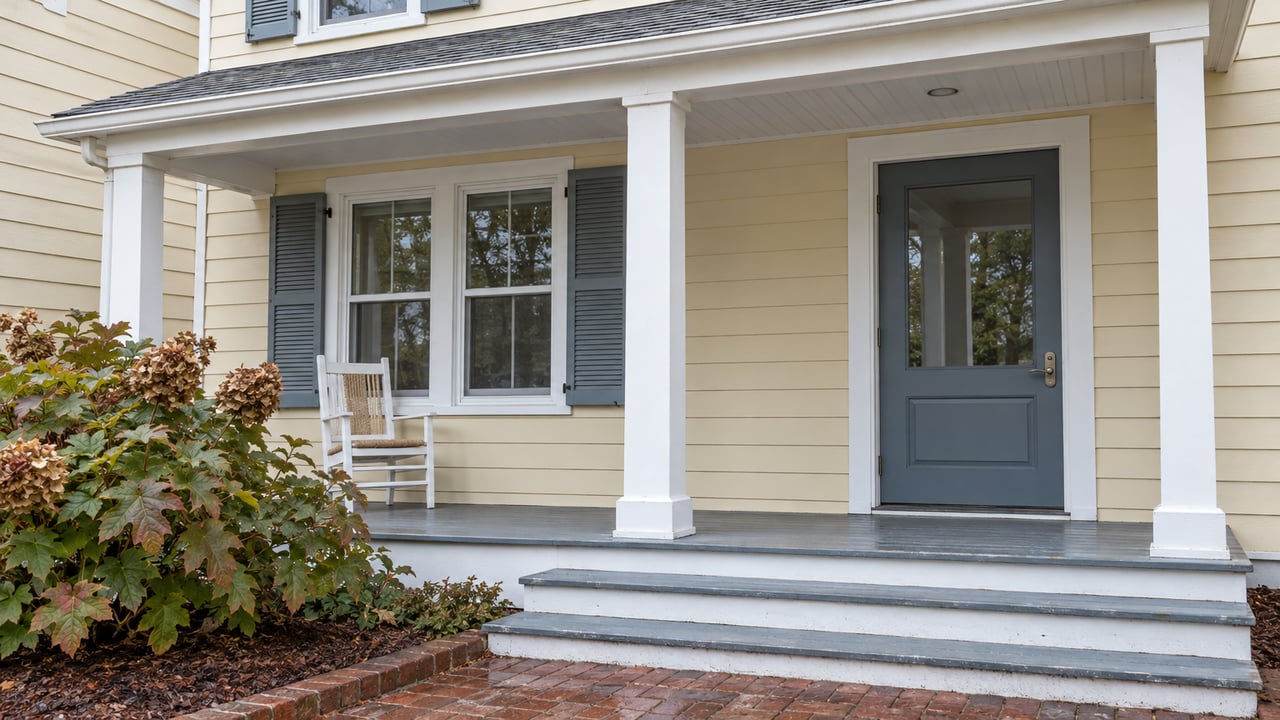
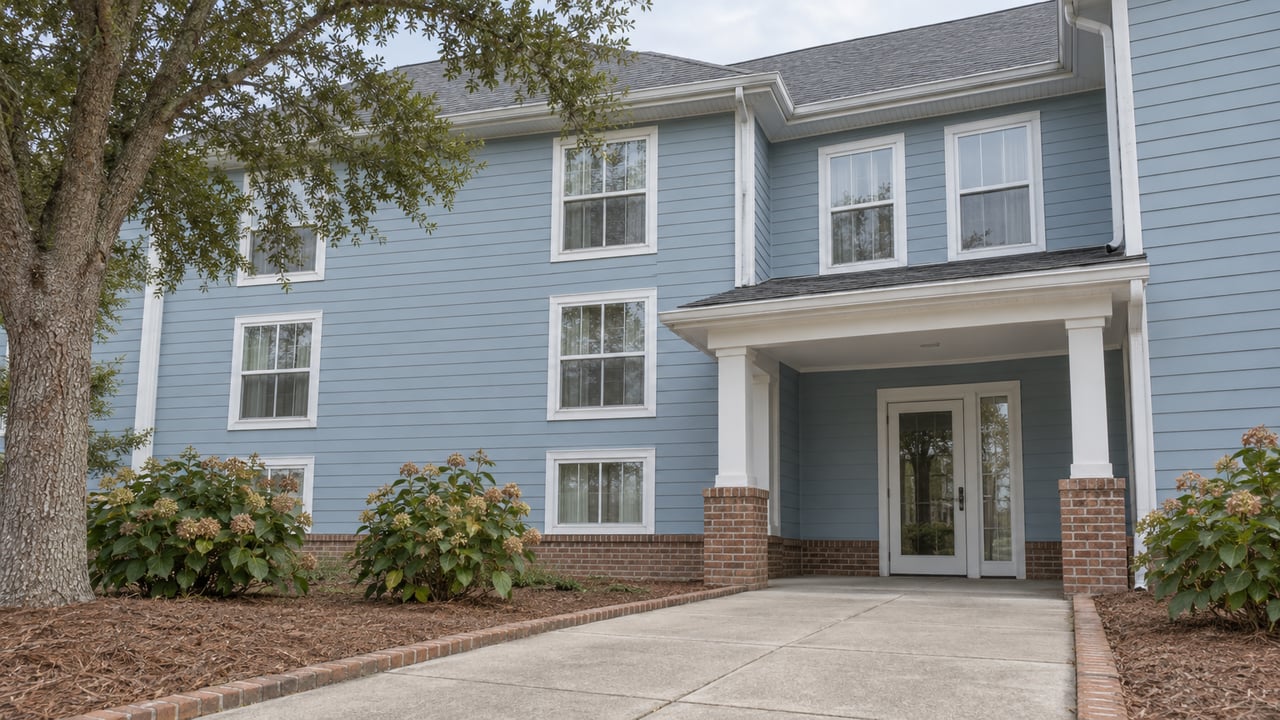
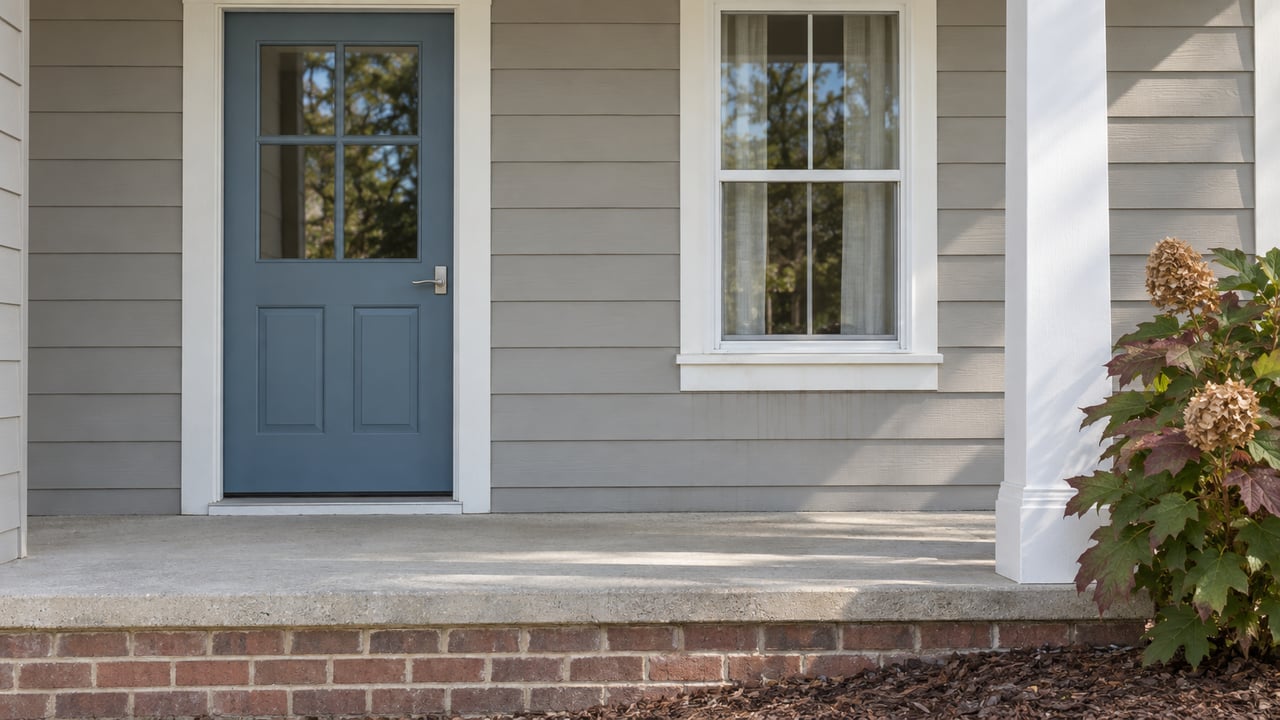
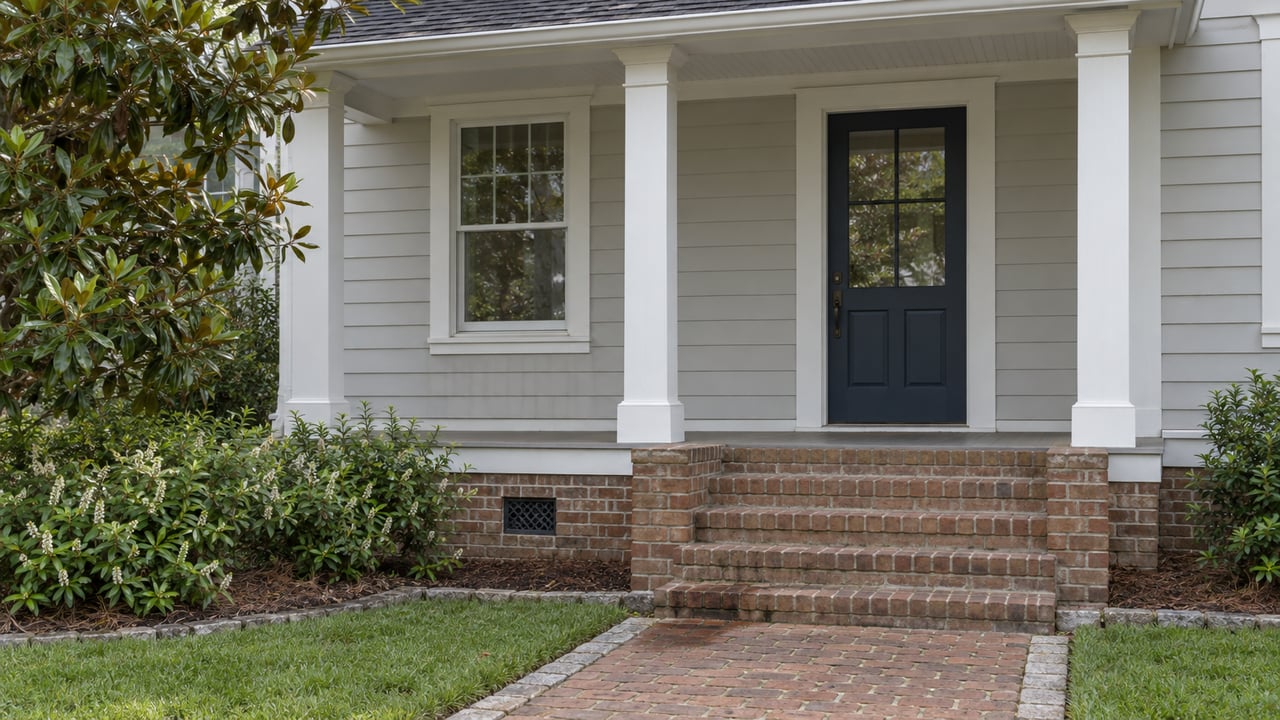
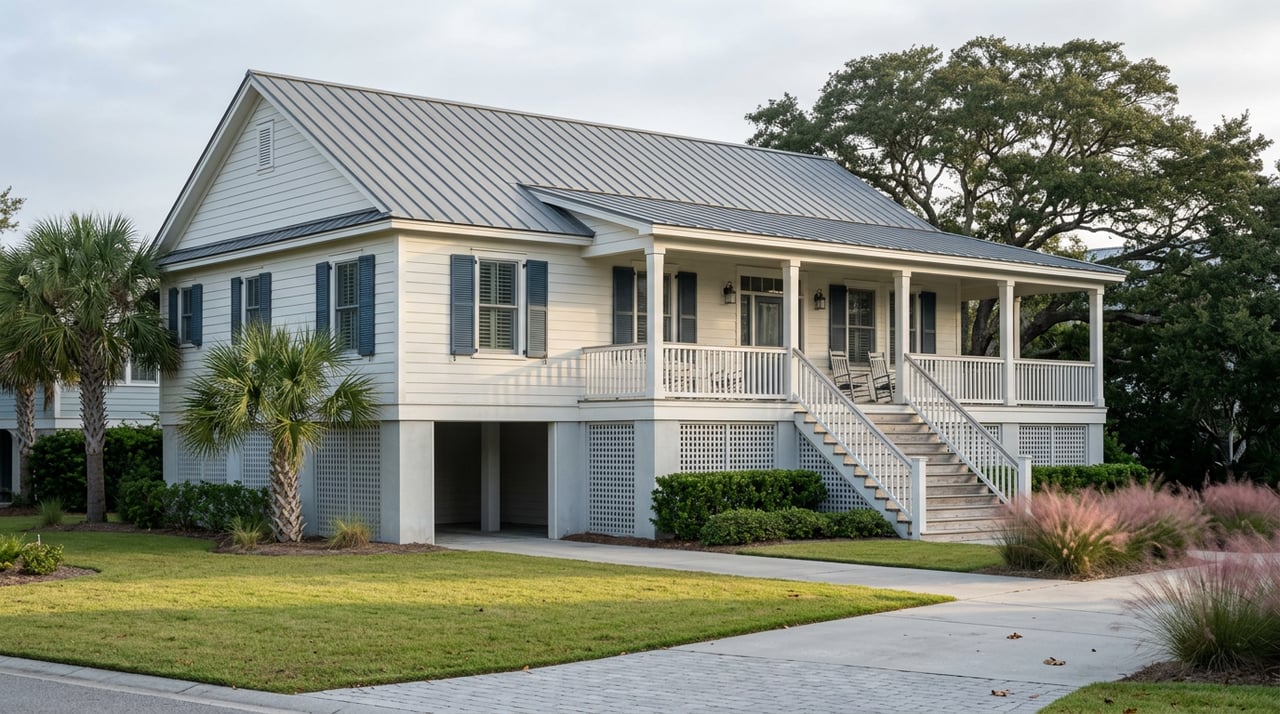
A cart rolls out of a driveway near Surfside Drive a little after dusk, headlights on, radio low, headed for Pier Village. A few blocks over, on the other side of Highway 17, another cart sits parked in a garage because the trip to that same dinner would mean crossing a road it isn't allowed to travel on. Both carts are registered in Surfside Beach. The two addresses offer different access to destinations in town.
That gap is the real story behind Surfside Beach's "golf cart town" reputation, and it matters more to buyers right now than it did a year ago. The town rewrote its golf cart rules in 2025, and the change didn't expand where you can drive. It expanded when. That distinction is the whole ballgame for anyone comparing listings on price alone.
Golf Cart Rules Buyers Should Know
Surfside Beach's own ordinance adds a detail that rarely makes it into a real estate conversation: a permitted cart can only travel within four miles of the address printed on its registration certificate. According to WPDE, carts can cross a busier highway at an intersection but can't travel along one. The town's speed limit is 25 miles an hour except where posted, and the town's own guidance spells out the rest of the mechanics: the operator has to be at least sixteen with a valid license, carry the registration certificate, proof of liability insurance, and a license, and the permit itself has to be renewed every five years or any time the address on file changes.
None of that is exotic. Every golf cart town in the state runs on some version of it. What it means practically is that the four-mile radius is drawn from a specific address, not from the town limits. Two houses a mile apart can have meaningfully different access to the same restaurant if a state highway sits between them.
What Changed In 2025, And What Didn't
For years, Surfside Beach followed the state's default rule: a curfew. WMBF reported that in August 2025 the town council voted 5-2 to drop that curfew for any cart permanently equipped with working headlights and taillights, letting them operate around the clock. Carts without that equipment still have to come off the road 30 minutes after sunset and stay off until 30 minutes before sunrise, a rule the town confirmed in its own public notice.
The debate leading up to that vote is worth sitting with. Council members had already signaled they were largely in favor, several of them golf cart or low-speed-vehicle drivers themselves, according to reporting from MyHorryNews on the earlier discussion. By the time the final vote came up, Interim Police Chief William Mickle laid out the enforcement record for council: 80 citations and 11 accidents in 2024 against 18 citations and 11 accidents so far in 2025, two of those 2024 accidents involving injuries versus six in the partial 2025 count, reporting confirmed by WPDE. One council member pushed back on safety grounds. The vote passed 5-2 anyway, and it took effect immediately.
Here's the part that matters for buyers: the four-mile radius and the highway restriction were never on the table in that debate. Nobody proposed loosening them, and nothing since has changed them. So the practical range of a Surfside Beach golf cart evening got longer in hours but stayed exactly as wide in miles. If your address was already outside a comfortable loop of Pier Village before last August, it still is. It just means the households inside that loop now get more usable hours out of the same fixed footprint, which is exactly the kind of thing that shows up in price before it shows up in a listing description.
Highway 17 And 544 Draw The Real Boundary
Ask anyone who actually rents and services carts here where the line falls, and the answer is specific. Chris Graul, general manager of Gone Coastal Carts, put it plainly: in Surfside Beach, staying legal basically means staying off Highway 17 and Highway 544, the two roads carts can cross but can't ride.
That's not a minor technicality. Highway 17 Business cuts through the middle of town, and it's the same corridor highlighted in Visit Myrtle Beach's guide to Surfside's appeal: the guide describes restaurants and homes in the stretch between the ocean and that highway as reachable by golf cart or on foot. That access depends on an address being on the ocean side of that line, or close enough to cross it at a light and land within the four-mile radius on the other end.
Homes further inland, or on the far side of 544, are still Surfside Beach on the deed, though their golf-cart routes to Pier Village may differ.
What The Boundary Costs Per Square Foot
This is where the pricing data stops being a headline number and starts being a map. Heading into spring 2026, the blended median sale price across every property type in Surfside Beach sits around $532,000, up about 2.7 percent year over year. That figure blends small inland condos with multi-million-dollar oceanfront properties, so it flattens out the exact distinction that matters here.
Pull out detached single-family homes specifically and the median jumps to roughly $825,000, up about 6.2 percent from the year before. Meanwhile, price per square foot averages about $322 townwide, but climbs to around $540 in the ocean-adjacent, turnkey corridors, the same stretch Graul and the tourism board are describing when they talk about a cart ride to dinner. That's not a modest premium. It's close to a 68 percent jump in cost per square foot for being inside the loop instead of outside it.
Compare that against the more commonly quoted portal figures and the gap becomes obvious. One widely used home value index puts the town's typical home value at $360,900 as of June 30, 2026, up just 0.8 percent over the past year, with homes going to pending in around 40 days. Another tracker shows the average sale price around $510,000 as of summer 2026, down 2.9 percent year over year, in a market it scores just 19 out of 100 for competitiveness, with homes taking about 86 days to sell and closing roughly 4 percent below list. Read either of those numbers on its own and Surfside Beach looks like a patient, negotiable market where a buyer holds real leverage.
That read isn't wrong for the town as a whole. It's incomplete for the specific slice of it that actually delivers the golf cart lifestyle. Inventory inside the walkable, cart-able core is thinner, the per-square-foot cost runs meaningfully higher, and the broader market's softness doesn't necessarily reach that corridor the same way.
What You're Actually Paying To Reach
The businesses clustered at the base of the Surfside Beach Pier are the concrete version of what that premium buys. Pier Village is walking distance from the pier itself, and from there you can reach River City Café for a burger, Pizza Hyena for wood-fired pies, Gracious Pig for smoked barbecue, Chimichanga Llama for Latin-inspired plates, Bubba's Fish Shack for fresh seafood, and Scotty's Beach Bar without ever needing to cross Highway 17. Daily errands cluster a short cart ride away too, with grocery, hardware, and pharmacy stops within that same loop.
That's the lifestyle the marketing describes, and it's real for the addresses that sit inside the boundary. It's a longer, more complicated trip for the ones that don't.
Before You Compare Two Listings On Price Alone
If a Surfside Beach listing markets itself on golf cart access, ask a direct question before relying on the phrase: is the address within a comfortable loop of Pier Village that doesn't require crossing Highway 17 or 544 along the way, only at an intersection. Ask what roads the daily errands actually require. And compare listings on price per square foot rather than the headline median, since the median combines homes with different levels of golf-cart access.
A Few Questions Worth Settling Early
What address determines the four-mile radius? The four-mile radius is measured from the address on your registration certificate.
Can I ever drive a golf cart on Highway 17 in Surfside Beach? Only to cross it at an intersection. Riding along it isn't permitted under either the state rule or the town's ordinance.
Do I need to renew my permit if I move within Surfside Beach? Yes. The permit is tied to a specific address and has to be replaced any time that address changes, even within town limits, or every five years, whichever comes first.
If you're weighing a move to Surfside Beach and want to know whether a specific address actually delivers the lifestyle you're picturing, that's a conversation worth having before you write an offer. Robin Shomaker knows this stretch of the Grand Strand block by block, highway crossing by highway crossing, and can walk you through what a given address actually gets you. Let's Connect.
This article is general information, not legal, tax or financial advice. Consult a qualified professional about your situation.